Why You Should Learn Morse Code—It Could Save Your Life

When most people hear the term Morse Code, they think of old war movies or ancient telegraph operators tapping away on brass keys. But Morse Code is more than a relic of history—it’s a survival skill that could one day save your life.

A Language Beyond Technology

Unlike texting, phone calls, or emails, Morse Code doesn’t require electricity, internet, or even modern tools. All you need is a way to create sound, light, or signals. That could mean tapping on a wall, flashing a flashlight, or banging two rocks together. In survival scenarios, this kind of low-tech communication could be priceless.

When Words Aren’t Possible

Imagine you’re trapped, injured, or unable to speak. With Morse Code, you could signal for help using simple patterns. Even three short taps, three long taps, and three short taps—the famous SOS—could alert rescuers to your location. It’s a universal cry for help that transcends language barriers.

A Global Survival Language

If society collapsed tomorrow and digital communication failed, Morse Code would still work. It’s easy to learn, requires no special equipment, and has been understood worldwide for over 150 years. That makes it one of the few “languages” nearly everyone could potentially recognize.

Training Your Brain for Survival

Learning Morse isn’t just about safety—it also sharpens your memory, focus, and problem-solving skills. Just a few minutes a day practicing dots and dashes can keep your mind sharp while giving you a skill that might one day save your life.

A Simple First Step

You don’t have to memorize the entire alphabet right away. Start small:

  • Learn SOS (··· ––– ···).

  • Practice your name in Morse.

  • Try sending short signals with a flashlight at night.

These small steps could make a big difference in an emergency.

The modern world makes us feel invincible with smartphones, satellites, and Wi-Fi everywhere. But history shows how fragile that system can be. Morse Code is a timeless backup plan—a lifeline when everything else fails.

Learn it now. Your life could depend on it.

PREP READY 3D Printed Morse Code Wallet Cheat Sheet Ai 1
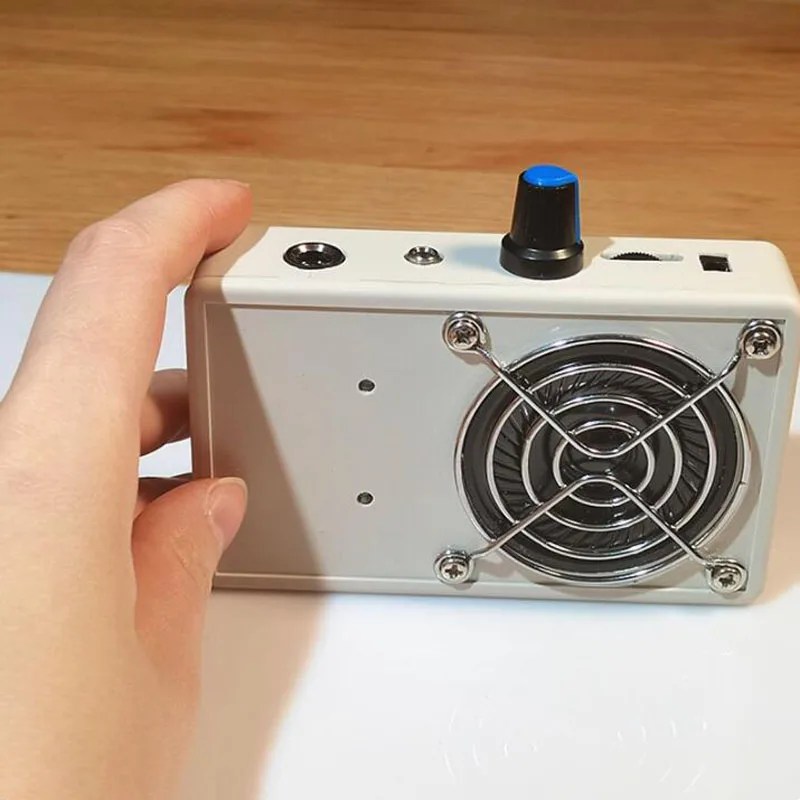
Moores Code Learning Practice Oscillato 1

EMF Meter – 3-in-1 Magnetic, Electric & RF Radiation Detector

Protect your home, office, and family with accurate EMF detection.
This professional-grade EMF Meter measures Magnetic Fields (up to 200 µT / 2000 mG), Electric Fields (up to 2000 V/m), and RF Radiation (up to 100 mW/m²) — all in one easy-to-use device.

⭐ Key Features

  • Magnetic Field Measurement: Detects up to 200 µT (microtesla) / 2000 mG (milligauss)

  • Electric Field Measurement: Measures up to 2000 V/m

  • RF Radiation Measurement: Detects up to 100 mW/m²

  • 3-in-1 Functionality: Save money and time with a single multi-purpose tool

  • User-Friendly: Digital display, clear interface, and ergonomic design

  • Portable & Lightweight: Perfect for both home use and professional inspections


📊 Specifications

Parameter Range
Magnetic Field 0 – 200 µT / 0 – 2000 mG
Electric Field 0 – 2000 V/m
RF Radiation 0 – 100 mW/m²
Display Digital LCD with backlight
Power Supply Battery operated (long life)
Dimensions Compact & lightweight design


🏠 Applications

  • Test home appliances (microwave, fridge, TV, computer)

  • Measure Wi-Fi router & mobile phone radiation

  • Check power lines, electrical wiring, and adapters

  • Inspect bedrooms, nurseries, and offices for hotspots

  • Professional use for electricians, inspectors & EMF consultants

💡 Why Choose This EMF Meter?

  • All-in-One: Combines magnetic, electric, and RF testing in one device

  • Peace of Mind: Monitor EMF exposure levels in your environment

  • Professional-Grade Accuracy: Reliable for both home and work use

  • Simple to Operate: No complex setup — just switch on and measure


📦 What’s Included

  • 1 × EMF Meter (3-in-1)

  • User Manual

  • Batteries (optional depending on package)


🔒 100% Satisfaction Guarantee

We stand behind the quality of our EMF Meter. If you’re not fully satisfied, return it within 30 days for a full refund — no questions asked.

🛒 Order Yours Today!

Take control of your environment and protect what matters most.
👉 [Add to Cart]

HABOTEST HT627 EMF Meter 1
HABOTEST HT627 EMF Meter 7
HABOTEST HT627 EMF Meter 8

Survival by Design: How 3D Printing Can Save Your Life in a Crisis

Survival by Design: How 3D Printing Can Save Your Life in a Crisis

In a world where self-reliance is becoming increasingly vital, 3D printing is stepping into the spotlight as a revolutionary tool for survivalists and preppers. Whether you’re off-grid, facing a supply shortage, or in a disaster zone, a portable 3D printer and a spool of filament could become your most valuable survival gear.

Why 3D Printing Matters in a Survival Situation

At its core, 3D printing gives you the ability to manufacture essential tools and parts on demand. It can eliminate dependency on traditional supply chains, which are often disrupted during natural disasters, economic collapse, or grid failures. With digital files and a reliable printer, you’re essentially carrying a virtual toolbox of life-saving items.

Top Survival Items You Can 3D Print

Here are just a few examples of what you can produce in the field with a 3D printer:

1. Water Filtration Parts

From gravity-fed filter housings to replacement connectors for existing systems, you can print critical components that help you stay hydrated and safe from waterborne illnesses.

2. Cooking and Fire Tools

Lightweight portable stoves, fire starters, or pot holders—these can all be printed in durable, high-temperature materials. If you’re using solar cookers, you can even 3D print mirror brackets or adjustment arms.

3. Medical Supplies

In an emergency, printed splints, tourniquet parts, or even tweezers and scalpel handles can mean the difference between life and death. While some components may still require sterilization or metal parts, 3D printing fills in the gaps when conventional medical kits run out.

4. Hardware and Repair Parts

Need a missing bolt, a custom gear, or a broken clip replaced? Print it. From tent pole connectors to flashlight mounts, having a printer lets you adapt and repair equipment on the fly.

5. Traps and Fishing Gear

You can print small animal traps, fish hooks, line winders, and even slingshot ammo. This expands your ability to find food in the wild without bulky gear.

What You Need to Get Started

  • Portable 3D Printer (like the Prusa Mini or Creality Ender-3)

  • Filament (PETG or ABS for outdoor durability)

  • Power Supply (solar, battery bank, or generator)

  • Digital STL Files (stored offline on a USB or SD card)

3D printing isn’t just a maker’s hobby—it’s a life-saving skill. In a survival scenario, it transforms from a tool of convenience to a tool of resilience. By mastering 3D design and printing, you’re not just preparing for the future—you’re printing it.

Check our our free print at home designs https://makerworld.com

Survival By Design 2
Survival By Design 3

Homesteading: What It Is and 3 Easy Ways to Begin Your Journey

In today’s fast-paced, convenience-driven world, many people are looking to slow down, reconnect with nature, and regain a sense of independence. That’s where homesteading comes in — a lifestyle focused on self-sufficiency, sustainability, and simplicity. Whether you’re dreaming of a full-fledged off-grid farm or just want to grow your own veggies in the backyard, homesteading can take many forms and is accessible to anyone willing to start small.

What is Homesteading?

Homesteading is the practice of living more self-reliantly by producing your own food, making your own goods, and minimizing your dependence on modern systems. While traditional homesteading might involve large plots of land, raising livestock, and growing staple crops, modern homesteading can be done anywhere — even in urban settings.

At its core, homesteading is about:

  • Growing your own food – from vegetable gardens to fruit trees and herbs

  • Raising animals – chickens, goats, or even bees for fresh eggs, milk, and honey

  • Preserving and storing – using methods like canning, fermenting, and drying

  • Reducing waste – by reusing, repurposing, and relying less on consumer products

  • DIY skills – including cooking from scratch, building, sewing, and more

It’s a lifestyle that promotes resilience, environmental stewardship, and deep satisfaction from creating and providing for yourself and your family.

3 Simple Ways to Start Homesteading Today

You don’t need a rural farm or a massive budget to begin. Here are three beginner-friendly steps to start your homesteading journey wherever you live:

1. Start a Small Garden

One of the easiest and most rewarding ways to begin homesteading is by growing your own food. Whether you have a large backyard or a few pots on a balcony, start with easy-to-grow plants like tomatoes, lettuce, herbs, or radishes. Gardening not only cuts down your grocery bill but also teaches valuable lessons in patience, planning, and sustainability.

Beginner Tip: Use raised beds or containers if you’re limited on space. Compost your kitchen scraps to make your own natural fertilizer.

2. Learn Basic Food Preservation

Preserving food is a vital skill for any homesteader. It allows you to store your harvest, reduce food waste, and eat seasonally all year long. Start with simple methods like water-bath canning, dehydrating fruits, or fermenting vegetables like sauerkraut or pickles.

Beginner Tip: Try canning jam or pickled cucumbers — both are beginner-friendly and require minimal equipment.

3. Raise Backyard Chickens (If Local Laws Allow)

Chickens are often the “gateway animal” for homesteaders. They’re relatively low-maintenance, provide fresh eggs, and can help reduce pests in your garden. Before you start, check your local council regulations and be prepared to provide secure housing and daily care.

Beginner Tip: Start with 3–5 hens (no roosters needed for eggs), and choose hardy breeds like Isa Browns or Australorps for reliability.

Homesteading isn’t about doing everything at once — it’s a lifelong journey of learning and becoming more self-sufficient, one step at a time. Whether you grow your own herbs on a windowsill or build a chicken coop from scratch, each step brings you closer to a more grounded, independent lifestyle.

Start small, stay curious, and enjoy the process of reclaiming your connection to the land, your food, and your future.

Homesteading

What Is No Grid Survival Projects?

No Grid Survival Projects is a survival manual aimed at helping readers achieve self-reliance by providing detailed instructions on various projects. The book covers essential areas such as water procurement, food preservation, energy generation, shelter building, and home defense. Each project includes step-by-step guidance, material lists, and illustrations to facilitate easy implementation.


Key Features

  • Comprehensive Project Categories: The book is organized into eight chapters, each focusing on a critical aspect of survival:

Practical Applications

The book is designed to prepare individuals for various scenarios, including natural disasters, economic crises, and long-term power outages. Projects like building a backyard power plant, creating a rainwater harvesting system, and constructing traps for food procurement are tailored to ensure survival without reliance on modern infrastructure.askaprepper.com+10goodreads.com+10nogridsurvivalprojects.com+10thedailyworld.com+1nogridsurvivalprojects.com+1

Who Should Read This Book?

No Grid Survival Projects is suitable for:

No Grid Survival Projects serves as a valuable resource for anyone interested in achieving greater self-sufficiency. Its practical approach, comprehensive coverage, and accessible instructions make it a worthwhile addition to the library of preppers, homesteaders, and DIY enthusiasts alike.


Why Prepping Isn’t Just for “Doomsday” Believers—And Why You Should Start Today

In a world that feels increasingly unpredictable, the term “prepping” has gained traction—and not just among hardcore survivalists or reality TV stars. Prepping, short for “preparing,” is a practical and often life-enhancing mindset rooted in self-reliance, resilience, and foresight. It’s not about paranoia; it’s about being ready.

What Is Prepping?

Prepping is the act of preparing for emergencies, disruptions, or disasters—natural or man-made—that can threaten your ability to access basic necessities like food, water, shelter, and medical care. Prepping can range from simply having an emergency kit at home to living off-grid with years of supplies. Most preppers fall somewhere in between.

At its core, prepping is about asking: What if something goes wrong—am I ready?

Why People Prep

Here are a few common reasons people become preppers:

  • Natural Disasters: Hurricanes, wildfires, floods, earthquakes—extreme weather events are on the rise. A well-stocked pantry and a solid evacuation plan can make all the difference.

  • Economic Instability: Job losses, inflation, or market crashes can disrupt access to resources. Prepping offers a safety net.

  • Power Outages: Grid failures can happen anytime. Preppers often have backup power sources and ways to cook or stay warm.

  • Pandemics and Health Crises: COVID-19 was a wake-up call. Many people experienced firsthand the benefit of having extra supplies on hand.

  • Supply Chain Disruptions: Even short-term shortages can create chaos, as seen with toilet paper, baby formula, or clean water during crises.

Why You Should Consider Becoming a Prepper

1. Peace of Mind: Knowing you’re prepared helps reduce anxiety. You won’t need to scramble if something unexpected happens.

2. Protect Your Loved Ones: Prepping ensures you can take care of your family if services are interrupted.

3. Self-Sufficiency: Learning basic skills—like cooking without power, first aid, or growing food—builds confidence and independence.

4. It’s Practical: Prepping isn’t just for worst-case scenarios. Everyday inconveniences—like being snowed in or dealing with a power outage—are easier when you’re ready.

5. It Doesn’t Have to Be Expensive: Prepping can start small. Build a go-bag. Store extra water. Learn to cook from shelf-stable ingredients. It’s not about buying a bunker; it’s about building habits.

Where to Begin

  • Start a 72-Hour Emergency Kit with food, water, medication, flashlights, batteries, and basic tools.

  • Create a Family Communication Plan in case of emergency.

  • Build Up Supplies Gradually—each grocery trip, buy one or two extra items for your pantry.

  • Learn Basic Skills such as purifying water, using a fire extinguisher, or administering CPR.

Prepping isn’t a fringe idea anymore. It’s a smart, modern approach to an unpredictable world. Whether you’re a parent, student, retiree, or city dweller, having a plan and supplies can be the difference between panic and control when something goes wrong.

Being prepared isn’t pessimistic—it’s empowering.

Why Prepping

Why a Two-Way or Ham Radio Is Essential in a Survival or Bug-Out Situation

In a world where we’re used to instant communication via smartphones and internet, it’s easy to overlook just how fragile our modern communication networks are. In a survival situation—whether caused by natural disasters, grid failures, civil unrest, or a full-blown bug-out scenario—those networks can go down in an instant. When that happens, a two-way radio or ham radio isn’t just a convenience—it can be a lifesaver.

1. When Cell Towers Go Down, Radios Still Work

Cell phone networks depend on a web of infrastructure: towers, fiber optics, and power grids. In a disaster, any part of that system can fail. But two-way radios and ham radios don’t rely on that grid. They use radio waves to send and receive information directly from one unit to another (in the case of two-way radios), or via repeaters and long-distance frequencies (in the case of ham radios). This independence makes them one of the most reliable forms of communication during a crisis.

2. Real-Time Communication Without the Internet

In a bug-out situation, time is critical. You may need to coordinate with family members, alert others to threats, or call for help. Radios offer instant, voice-based communication without the need for Wi-Fi, apps, or cell signal. You press a button and speak—no waiting for texts to go through or buffering during a call.

3. Ham Radios Have Incredible Range

While simple two-way radios (like FRS/GMRS) are great for short-range communication, ham radios can connect you with people miles—or even hundreds of miles—away. With the right setup and license, you can reach across the country or even the globe. This kind of reach can be vital for getting updated news, weather alerts, or making contact when stranded in remote locations.

4. Stay Informed With Emergency Broadcasts

Many ham radios can receive NOAA weather alerts, emergency broadcasts, and public service announcements. This makes them a critical tool for staying informed about evolving situations—like incoming storms, evacuation orders, or other hazards—especially when internet or TV isn’t an option.

5. Community and Support Networks

Ham radio isn’t just about gear—it’s about community. Across the world, licensed ham operators form a decentralized, volunteer-based communication network that activates in times of crisis. During hurricanes, earthquakes, or blackouts, ham radio operators have been the first to relay messages between affected zones and emergency responders. In a long-term survival scenario, these networks can offer guidance, supplies, and morale.

6. They’re Durable, Portable, and Dependable

Survival situations demand rugged gear. Radios like the Baofeng UV-5R or Motorola Talkabouts are built to withstand the elements. They’re small enough to fit in a bug-out bag and can operate for days on a single charge, especially if you have solar charging options. Unlike a phone, you won’t be searching for a Wi-Fi signal or waiting for an app update—you’re always ready.

7. You Control the Channel

With radios, you choose the frequency. This allows for private, group, or emergency channels that can’t be easily monitored or jammed by outsiders (especially when using encrypted digital radios or smart frequency management). In a tense or hostile situation, communication security can mean the difference between safety and exposure.


Final Thoughts

In any true survival or bug-out scenario, communication becomes one of your top priorities—right up there with food, water, and shelter. A two-way or ham radio offers more than just a line of contact—it provides information, coordination, and peace of mind.

Whether you’re prepping for a major disaster or simply preparing for a remote camping trip, having a reliable radio and knowing how to use it could be the best decision you ever make.

Two Way Radio

Going 100% Off-Grid: What You Need to Know Before You Make the Leap

In an age where sustainability and self-reliance are becoming more important than ever, the idea of going completely off-grid is growing in appeal. No more monthly utility bills, no more reliance on aging infrastructure, and the satisfaction of being truly self-sufficient—it sounds like a dream. But before you sell your house, buy a piece of remote land, and start digging a well, there are some major things to consider and critical steps to take.

Here’s a breakdown of what going 100% off-grid really means—and what you’ll need to do to make it a reality.


🔌 1. Understand What “Off-Grid” Really Means

Going off-grid typically means cutting ties with public utilities like electricity, water, sewer, and sometimes even internet and mobile networks. You’re responsible for generating your own power, sourcing your own water, managing your own waste, and maintaining your own systems. It’s a lifestyle shift just as much as a logistical one.


⚡ 2. Power: Solar, Wind, Hydro or a Hybrid?

Solar is the most common option thanks to falling prices and increased efficiency of solar panels and battery systems. But you might also consider:

  • Wind turbines (great for windy areas)

  • Micro-hydro power (if you have access to flowing water)

  • Generators (as a backup, usually propane or diesel)

You’ll need to calculate your total energy usage, decide how much you’re willing to reduce it, and then size your system accordingly—including battery storage for cloudy days or nighttime.


💧 3. Water: Collecting, Storing, and Purifying

Off-grid living requires a reliable source of clean water. Here are a few options:

  • Well water (deep wells can be expensive to drill but offer independence)

  • Rainwater harvesting (more effective in areas with regular rainfall)

  • Nearby surface water (requires significant filtration and purification)

Don’t forget you’ll need pumps (usually electric), filters, storage tanks, and maybe UV or reverse osmosis systems depending on the quality of your source.


🚽 4. Waste: Human, Greywater, and Trash

When it comes to waste, going off-grid means you’ll be managing it all yourself:

  • Septic systems are common for blackwater.

  • Composting toilets offer a lower-impact, waterless alternative.

  • Greywater systems can recycle water from sinks/showers for irrigation.

  • Trash and recycling will need a plan—either hauling it yourself or minimizing waste production as much as possible.


🔥 5. Heating, Cooking, and Cooling

You’ll need alternative ways to heat and cool your home, especially in extreme climates. Some solutions:

  • Wood stoves or pellet stoves for heat

  • Propane appliances for cooking or heating water

  • Passive solar design to help maintain a comfortable indoor temperature

  • High-efficiency insulation to reduce energy use


🏡 6. Shelter: Build or Retrofit?

If you’re starting from scratch, building a home specifically designed for off-grid life (passive solar, high insulation, minimal energy needs) is ideal. If you’re retrofitting an existing house, expect significant upgrades—especially to insulation, windows, and systems.


📍 7. Land: Choose Wisely

Land selection might be the most important step. Things to consider:

  • Access to natural resources (sun, wind, water)

  • Climate and growing seasons

  • Local regulations and zoning laws (some areas restrict off-grid living)

  • Accessibility (can you get there year-round?)

  • Community support or isolation (do you want to be near others?)


🛠 8. Skills You’ll Need (or Want)

Living off-grid means becoming your own electrician, plumber, mechanic, gardener, and more. It’s a steep learning curve, but incredibly rewarding.

Some helpful skills include:

  • Basic electrical and solar knowledge

  • Plumbing and system maintenance

  • Gardening and food preservation

  • First aid and emergency preparedness


💰 9. Budget: Be Realistic

While the long-term savings can be significant, the upfront costs of going off-grid can be high. Solar systems, batteries, land, tools, and construction add up quickly. Create a detailed budget and leave room for unexpected expenses.


🌱 10. Lifestyle Considerations

This is a big one. Off-grid living often means giving up some modern conveniences. Are you ready to:

  • Use less power?

  • Deal with your own maintenance issues?

  • Live further from cities and services?

  • Grow and preserve your own food?

If the answer is yes, you’re already halfway there mentally.


Final Thoughts

Going 100% off-grid isn’t just a technical or financial challenge—it’s a mindset shift. It takes patience, grit, and a desire to live more in tune with the environment. But for those willing to put in the work, the reward is independence, resilience, and a lifestyle that truly reflects your values.

Thinking about taking the plunge? Start small. Test your systems, build your skills, and transition gradually if you can. The journey to off-grid living is just as important—and rewarding—as the destination.

Going Off Grid

Essential Items for Your Home Survival Kit: Be Ready for Bad Weather, Flooding, and Power Outages

Unexpected weather events and power outages can happen at any time, leaving you without electricity, heat, or even running water. Whether it’s a severe storm, hurricane, flooding, or a sudden blackout, having a well-prepared home survival kit can make all the difference. Here are the must-have items you need to stay safe and comfortable during emergencies.

1. Emergency Food and Water

  • Water Supply: Store at least one gallon of water per person per day for at least three days.

  • Non-Perishable Food: Stock up on canned goods, protein bars, dried fruits, and ready-to-eat meals.

  • Manual Can Opener: If your food requires opening, ensure you have a non-electric can opener.

2. Lighting and Power Sources

  • Flashlights and Lanterns: Battery-powered or hand-crank flashlights and lanterns are essential.

  • Extra Batteries: Keep a variety of battery sizes available for different devices.

  • Portable Power Bank: A fully charged power bank can keep your phone and small electronics running.

  • Generator: If possible, invest in a generator to power essential appliances.

3. First Aid Kit

  • Basic Medical Supplies: Include bandages, antiseptics, gauze, and medical tape.

  • Essential Medications: Keep a supply of necessary prescription medications.

  • Pain Relievers and Allergy Medications: Stock aspirin, ibuprofen, and antihistamines.

4. Warmth and Shelter

  • Blankets and Sleeping Bags: Keep warm if the heat goes out.

  • Emergency Mylar Blankets: Lightweight and excellent for heat retention.

  • Plastic Sheeting and Duct Tape: Useful for sealing windows or creating a makeshift shelter.

5. Hygiene and Sanitation

  • Moist Towelettes and Hand Sanitizer: Helps maintain cleanliness.

  • Toilet Paper and Trash Bags: Essential for sanitation needs.

  • Personal Hygiene Items: Include toothbrushes, toothpaste, soap, and feminine hygiene products.

6. Communication and Safety

  • Battery-Powered or Hand-Crank Radio: Stay informed about emergency updates.

  • Whistle: Use to signal for help if needed.

  • Multi-Tool or Swiss Army Knife: Useful for various emergency situations.

  • Emergency Contact List: Have important numbers written down in case your phone dies.

7. Flood and Storm Protection

  • Sandbags or Water Barriers: Help prevent flooding damage.

  • Waterproof Containers: Protect important documents and electronics.

  • Rubber Boots and Rain Gear: Keep dry when dealing with water-related emergencies.

8. Fire Safety and Cooking

  • Fire Extinguisher: Have a working fire extinguisher in your home.

  • Waterproof Matches and Lighters: Essential for starting a fire for warmth or cooking.

  • Camping Stove or Grill: Use with proper ventilation if the power is out.

9. Important Documents and Cash

  • Copies of Important Documents: Store IDs, insurance policies, and emergency contacts in a waterproof container.

  • Cash in Small Bills: ATMs and credit card machines may not work during a power outage.

10. Pet Supplies (If Applicable)

  • Pet Food and Water: Ensure a sufficient supply for your pets.

  • Medications and Records: Keep a copy of veterinary records and any necessary medications.

  • Leash or Carrier: In case you need to evacuate with your pet.

Preparation is key when facing bad weather, flooding, or power outages. By assembling a comprehensive home survival kit, you can keep your family safe, comfortable, and ready for any emergency. Take the time to check and refresh your supplies regularly so that you’re always prepared when disaster strikes.

Why You Should Always Carry a Multifunctional Survival Card on Your Outdoor Adventures

When heading out into the great outdoors, whether for hiking, camping, or any other adventure, preparation is key. While most people remember the essentials like a flashlight, first aid kit, and water, one compact yet incredibly useful tool is often overlooked—the multifunctional survival card. This small but mighty tool can make a huge difference in emergency situations, and here’s why you should never leave home without one.

1. Compact and Lightweight

One of the biggest advantages of a multifunctional survival card is its size. Typically the size of a credit card, it easily fits in your wallet, pocket, or backpack without adding bulk or weight. Unlike larger tools that can be cumbersome to carry, a survival card ensures you always have essential tools on hand without sacrificing space.

2. Versatility and Multi-Use Functions

A good survival card packs multiple tools into one sleek design. Depending on the model, you might find features like:

  • A knife edge for cutting

  • A bottle opener for convenience

  • Screwdrivers and wrenches for quick repairs

  • A saw blade for cutting small branches

  • A compass for navigation

  • Firestarter tools for emergencies

  • Rulers and measuring guides

This level of versatility ensures you’re prepared for a variety of situations, from fixing broken gear to starting a fire for warmth.

3. Emergency Preparedness

In the wild, unexpected situations can arise at any time. Whether you find yourself lost, dealing with broken equipment, or needing to cut rope for shelter, a survival card can provide quick solutions without the need to rummage through a large backpack. Having easy access to essential survival tools can mean the difference between a minor inconvenience and a serious emergency.

4. Cost-Effective and Durable

Unlike bulky multi-tools or high-end survival gear, multifunctional survival cards are relatively inexpensive while still offering high durability. Made from stainless steel or other tough materials, they can withstand harsh conditions without breaking or rusting, making them a reliable addition to your adventure kit.

5. Ideal for Any Outdoor Enthusiast

Whether you’re an avid camper, an occasional hiker, or a survivalist, a multifunctional survival card is a must-have tool. Even if you don’t use it frequently, having it on hand provides peace of mind knowing you have a backup plan in case something goes wrong.

Final Thoughts

A multifunctional survival card is one of the most practical tools you can carry when venturing outdoors. Its compact size, versatility, and affordability make it an essential part of any adventurer’s gear. Before your next trip, make sure to pack one—you never know when it might come in handy!

The Incredible Utility of Paracord in Survival Situations

When it comes to survival gear, few items are as versatile and indispensable as paracord. Originally developed for military parachutes, paracord—short for “parachute cord”—has since become a staple for adventurers, survivalists, and outdoor enthusiasts. Lightweight, durable, and endlessly adaptable, paracord is an essential tool that can make a significant difference in emergency situations.

In this post, we’ll explore the many uses of paracord in survival scenarios and why it deserves a spot in every survival kit.


What Makes Paracord Special?

Paracord is made from nylon and typically consists of an outer sheath housing multiple inner strands, known as the “kernmantle design.” Its key qualities include:

  • High Tensile Strength: Paracord can hold up to 550 pounds (hence the common term “550 cord”), making it incredibly strong for its lightweight nature.

  • Flexibility and Durability: It’s resistant to rot, mold, and UV damage, ensuring long-lasting performance in various environments.

  • Multi-Strand Inner Core: The inner strands can be separated and used individually for finer tasks.


Survival Uses for Paracord

Paracord’s versatility stems from its ability to be used in a multitude of ways. Here are some of the most practical survival applications:

1. Shelter Building

In the wild, having a reliable shelter is crucial. Paracord can be used to:

  • Secure a tarp or rain poncho between trees to create a makeshift tent.

  • Tie together branches or poles to construct a more durable structure.

2. Fire Starting

Some paracord varieties, like “fire cord,” include a strand coated with a flammable material that can be used as tinder to start a fire.

3. Fishing Line and Traps

The inner strands of paracord can be used as fishing line, making it easier to catch food. It can also be fashioned into snares or traps for small game.

4. First Aid

Injuries in the wilderness can be life-threatening. Paracord can help with:

  • Creating a makeshift tourniquet to stop bleeding.

  • Securing a splint or sling for broken bones or sprains.

  • Using the inner strands as sutures for wound closure in extreme cases.

5. Gear Repair

Whether it’s a broken strap on your backpack, a torn tent, or damaged footwear, paracord can be used to make quick repairs, keeping your gear functional when you need it most.

6. Rope and Cordage

Strong and lightweight, paracord can:

  • Be used for climbing short distances (not professional climbing).

  • Serve as a clothesline for drying gear.

  • Help hoist food bags into trees to keep them away from wildlife.

7. Navigation and Rescue

Paracord can assist in navigation and signaling by:

  • Marking trails with bright-colored cord to prevent getting lost.

  • Creating an improvised rescue line for pulling someone to safety from water or steep terrain.

8. Everyday Convenience

Even outside of emergencies, paracord can be woven into bracelets, keychains, or belts, ensuring you always have some on hand for everyday needs.


Tips for Using Paracord Effectively

  • Know Your Knots: Learn basic knots like the bowline, square knot, and taut-line hitch to maximize paracord’s utility.

  • Practice Beforehand: Familiarize yourself with separating and using the inner strands.

  • Choose Quality: Not all paracord is created equal. Look for genuine MIL-C-5040H type III paracord for the best performance.


Final Thoughts

Paracord is more than just a piece of rope; it’s a survival tool that can save lives. Its lightweight and compact nature make it easy to carry, and its versatility ensures you’ll always find a use for it. Whether you’re venturing into the wilderness or preparing for emergencies, paracord is a must-have for anyone looking to stay prepared and resourceful.

So, the next time you’re packing for an outdoor adventure, don’t forget your trusty paracord. It’s the kind of tool that, when you need it, you’ll be glad you have.

Bugging Out: Origins and Meaning of the Survival Term

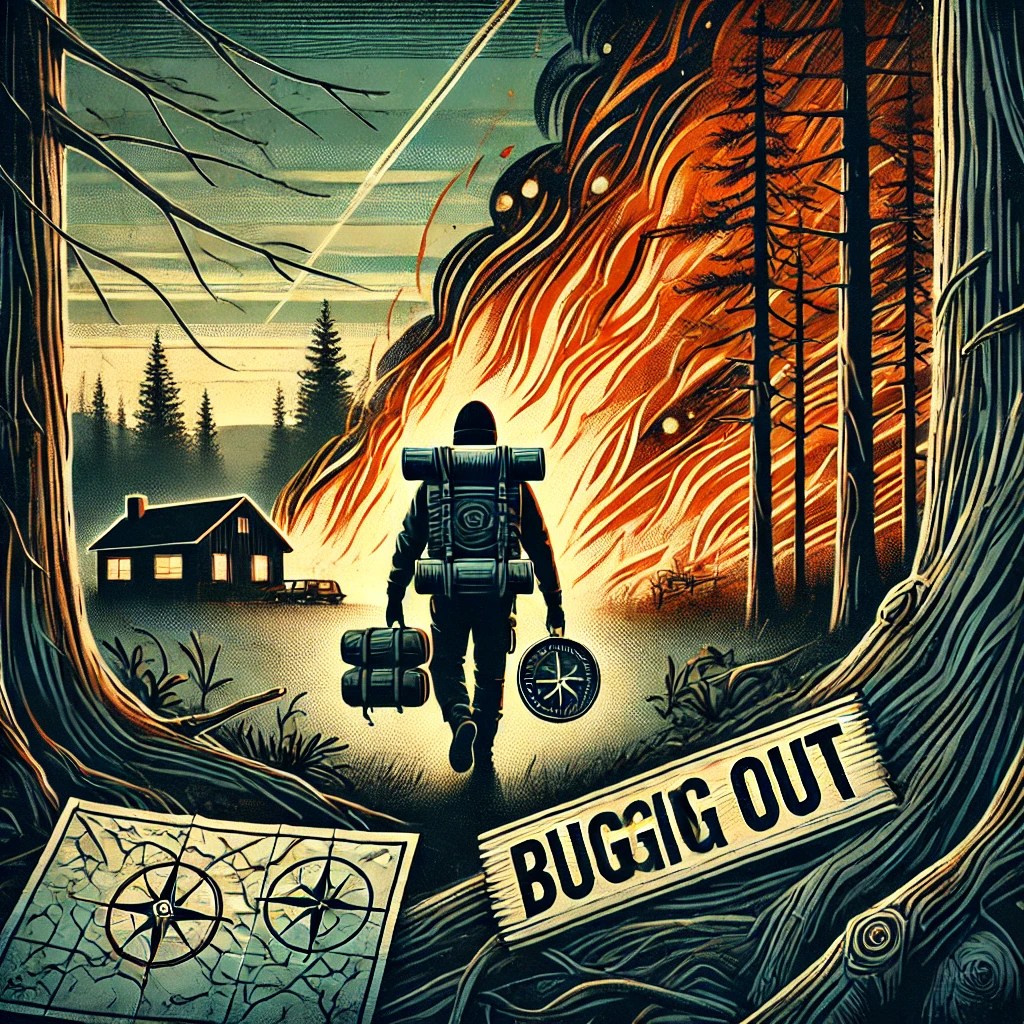
In the world of preparedness and survivalism, the term “bugging out” holds a significant place. Often discussed in forums, books, and survivalist communities, bugging out refers to the act of leaving one’s current location due to an imminent threat, such as natural disasters, societal collapse, or other emergencies. But where did this term come from, and what does it truly entail?

Origins of the Term “Bugging Out”

The term “bugging out” traces its roots back to military slang used during the Korean War in the early 1950s. Soldiers coined the phrase “bug-out” to describe a rapid retreat from a dangerous or untenable situation. This military jargon metaphorically likened the retreat to the way bugs scatter when disturbed, emphasizing the need for speed and decisiveness.

Over time, “bugging out” evolved beyond its original military context. By the late 20th century, it had been adopted by the preparedness community to describe a civilian’s strategic evacuation in the face of disasters or crises. The term reflects both the urgency of the action and the calculated planning required to execute it effectively.

What Does Bugging Out Mean?

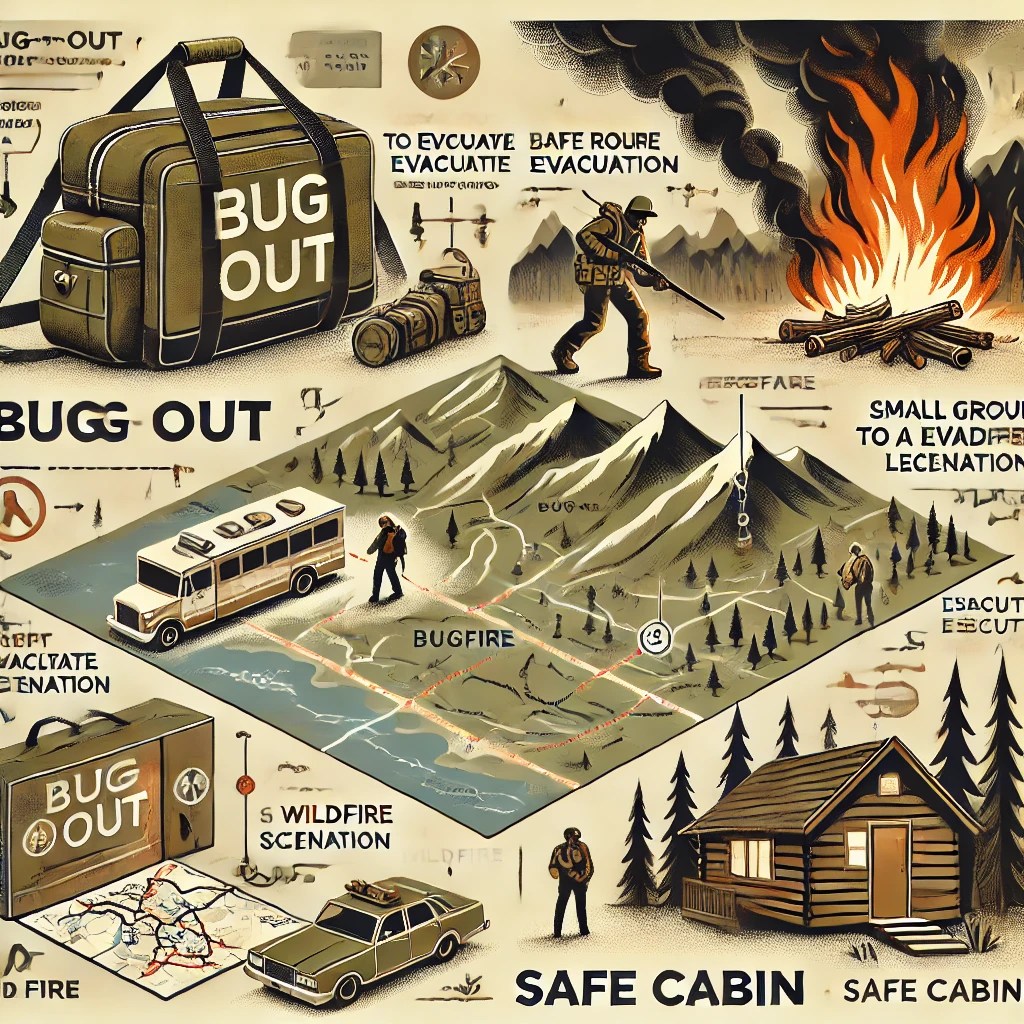
Bugging out is more than just fleeing a dangerous situation; it’s a well-thought-out plan to relocate to a safer environment when staying put becomes untenable. It involves:

1. A Trigger Event: This could be a natural disaster like a hurricane or wildfire, societal unrest, or even a personal emergency such as a house fire.

2. A Destination: Commonly referred to as a “bug-out location” (BOL), this is a pre-selected, secure area where you plan to regroup and stay safe.

3. A Bug-Out Bag (BOB): A backpack or kit containing essential survival items like food, water, clothing, first aid, and tools to sustain you for 72 hours or more.

4. A Plan: A clear strategy that includes routes, communication methods, and contingencies for various scenarios.

Why Bugging Out is Important

Preparedness is about planning for the unexpected, and bugging out is a critical component of this mindset. While staying home (“bugging in”) might be the best option in some situations, there are times when evacuation is unavoidable. Knowing when and how to bug out can mean the difference between safety and danger.

For example, in the case of a wildfire, staying put might be deadly. Similarly, during widespread civil unrest, a densely populated urban area may no longer be safe. Bugging out enables individuals and families to move to a location where they can weather the crisis in relative security.

Planning for a Successful Bug-Out

Bugging out requires preparation and practice. Here are a few key steps to ensure you’re ready:

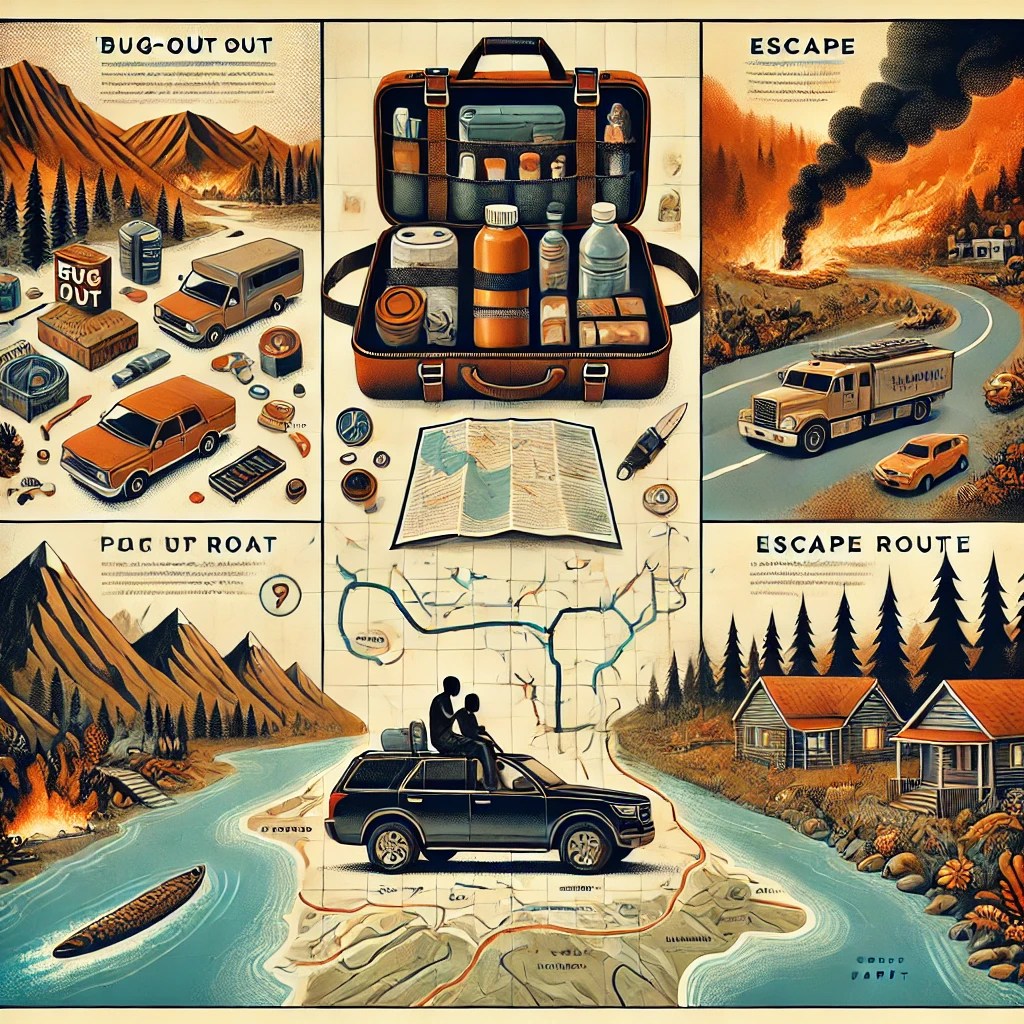
1. Assemble a Bug-Out Bag: Pack essential items tailored to your needs and those of your family.

2. Scout and Secure a Bug-Out Location: Whether it’s a remote cabin, a friend’s house, or a campground, ensure it’s accessible and safe.

3. Map Out Routes: Identify multiple routes to your BOL, considering factors like traffic, terrain, and potential hazards.

4. Stay Informed: Monitor news and weather reports to identify potential threats early.

5. Practice Drills: Regularly rehearse your bug-out plan to ensure everyone knows their role and actions.

Conclusion

Bugging out is not about fear but about preparedness and resilience. Its origins in military strategy underscore its emphasis on quick action and deliberate planning. For modern survivalists and anyone interested in preparedness, bugging out is a vital skill that empowers individuals to protect themselves and their loved ones in times of crisis. By understanding its meaning and honing the necessary skills, you can face emergencies with confidence and clarity.


Bugout 1
Bugout 2
Bugging Out 3

Air Filtration for Underground Bunkers: A Comprehensive Guide

When designing an underground bunker, ensuring a clean and breathable air supply is one of the most critical aspects to address. Whether you’re preparing for natural disasters, nuclear fallout, or other emergency scenarios, a reliable air filtration system can mean the difference between safety and vulnerability. This guide covers the essentials of air filtration for underground bunkers, from key components to maintenance tips.


Why Air Filtration Matters

Bunkers are enclosed spaces, which makes air circulation and purification crucial for maintaining a livable environment. Without proper air filtration, pollutants, pathogens, and toxic gases can compromise the health of occupants. Additionally, in scenarios involving nuclear or chemical threats, the air outside may be contaminated, requiring advanced filtration systems to provide clean air.


Key Components of a Bunker Air Filtration System

  1. Air Intake System
    The air intake system draws in fresh air from outside the bunker. It should be strategically located to minimize exposure to debris or direct contamination. Proper shielding and camouflaging can protect it from external threats.
  2. Particulate Filtration
    High-Efficiency Particulate Air (HEPA) filters are a standard choice for removing fine particles like dust, pollen, and mold spores. They are capable of trapping particles as small as 0.3 microns with 99.97% efficiency.
  3. Gas and Chemical Filtration
    Activated carbon filters are essential for removing chemical vapors, odors, and harmful gases like carbon monoxide. In situations involving chemical or nuclear threats, additional filters designed for specific contaminants, such as CBRN (chemical, biological, radiological, and nuclear) filters, are necessary.
  4. Air Circulation and Pressure Management
    Maintaining positive air pressure inside the bunker prevents unfiltered air from seeping in. Fans and air pumps ensure consistent airflow and pressure management.
  5. Backup Power Systems
    Air filtration systems require electricity to operate. Backup generators or battery systems should be in place to keep the system running during power outages.
  6. Monitoring and Alarms
    Sensors to detect carbon dioxide, carbon monoxide, and other harmful gases are critical for safety. These systems should include alarms to notify occupants of dangerous levels.

Choosing the Right Air Filtration System

When selecting a system, consider the following factors:

  • Occupancy and Size: Larger bunkers and higher occupancy levels require more robust systems to ensure adequate air supply.
  • Threat Profile: Tailor the system to potential threats, such as nuclear fallout, chemical spills, or natural disasters.
  • Maintenance Requirements: Some filters require regular replacement or cleaning, so choose a system that is easy to maintain.

Maintenance Tips

  • Regular Inspections: Check filters and system components for wear, blockages, or damage.
  • Filter Replacement: Replace HEPA and carbon filters according to the manufacturer’s guidelines, or more frequently if the air quality is compromised.
  • Test Backup Power Systems: Ensure generators or batteries are fully functional and have sufficient fuel or charge.
  • Calibrate Sensors: Periodically calibrate air quality monitors to ensure accurate readings.

Preparing for Extended Use

If the bunker is designed for long-term occupancy, additional measures are necessary:

  • Air Scrubbers: These devices remove carbon dioxide and replenish oxygen levels, particularly in sealed environments.
  • Redundant Systems: Having backup filters and components ensures functionality in case of system failure.
  • Stockpiled Supplies: Keep spare filters, lubricants, and tools for repairs readily available.

Conclusion

An underground bunker is only as effective as its air filtration system. By investing in a reliable, well-maintained system tailored to your specific needs, you can create a safe haven that ensures breathable air in any emergency scenario. With proper planning and ongoing care, you can protect yourself and your loved ones against the unseen dangers of contaminated air.


Have questions or tips about bunker air filtration? Share them in the comments below!

Mastering the Outdoors: The PVC Fire Starter Card for Solar Survival

When venturing into the wild, survival tools can mean the difference between a memorable adventure and a challenging ordeal. Among these essentials is the PVC Fire Starter Card—a remarkable tool that combines simplicity, efficiency, and innovation to help you harness the power of the sun for fire-starting. Whether you’re an outdoor enthusiast, a prepper, or simply someone looking to add a reliable tool to your emergency kit, this compact device deserves a spot in your pack.


What is the PVC Fire Starter Card?

The PVC Fire Starter Card is a lightweight and portable tool made from durable PVC and equipped with a Fresnel lens. This survival magnifying glass focuses sunlight into a high-intensity beam, capable of igniting dry tinder, paper, or other flammable materials. It’s a simple, uncharged emergency ignition tool that operates solely on solar power, ensuring that it’s always ready for use, no matter where you are.


Key Features of the PVC Fire Starter Card

  1. Compact Design
    The Fire Starter Card is credit-card-sized, making it easy to slip into a wallet, survival kit, or even a back pocket. Its ultra-portable design ensures you always have a fire-starting solution at hand.
  2. Durable Material
    Crafted from tough PVC, the card is designed to withstand the rigors of outdoor use. It resists scratches and environmental wear, ensuring long-term reliability.
  3. Efficient Solar Ignition
    The Fresnel lens embedded in the card magnifies sunlight into a concentrated beam. With clear skies and proper angling, you can quickly create enough heat to ignite tinder, making it an eco-friendly alternative to matches or lighters.
  4. No Batteries or Fuel Required
    This fire starter is entirely solar-powered, eliminating the need for additional resources like fuel or batteries. It’s an excellent backup for traditional fire-starting methods.
  5. Multipurpose Functionality
    Beyond starting fires, the Fresnel lens can be used for tasks like reading small text or identifying details in maps. This dual functionality makes it an even more valuable addition to your kit.

How to Use the PVC Fire Starter Card

  1. Prepare Your Tinder
    Gather dry, flammable materials such as leaves, bark, paper, or cotton. The finer the material, the easier it will be to ignite.
  2. Find Direct Sunlight
    Ensure the sun is bright and unobstructed by clouds. Position yourself so the sun is directly above your workspace.
  3. Angle the Lens
    Hold the Fire Starter Card at an angle to focus sunlight onto a single, small point on your tinder. Adjust the angle until you see the brightest and smallest spot of light.
  4. Ignite the Tinder
    Keep the focused beam steady on the tinder. Within seconds, the heat should cause the material to smolder or catch fire. Gently blow on the ember to encourage the flame.

Why Choose the PVC Fire Starter Card?

  • Reliability in Emergencies: Matches can get wet, and lighters can run out of fuel. The PVC Fire Starter Card is unaffected by such limitations.
  • Eco-Friendly Solution: It uses renewable solar energy, reducing reliance on disposable tools.
  • Cost-Effective: Its durability and reusable nature make it a long-term investment in your outdoor gear.

Ideal Uses

The PVC Fire Starter Card is perfect for a wide range of outdoor activities:

  • Camping trips where lightweight gear is a priority.
  • Survival situations where traditional tools may fail.
  • Emergency kits for home, car, or hiking expeditions.

Conclusion

The PVC Fire Starter Card is more than just a fire-starting tool—it’s a testament to the ingenuity of survival gear design. By leveraging the power of the sun, it provides a reliable, sustainable, and portable way to ignite fires, making it an essential companion for any outdoor adventure.

Whether you’re a seasoned camper or preparing for unforeseen emergencies, this unassuming yet powerful tool ensures you’re never left in the cold. Add it to your gear today and experience the confidence that comes with being prepared.

Survival Signal Mirror: The Ultimate Survival Must Have

When you think about essential outdoor adventure tools, you might think of a compass, firestarter, or first-aid kit. However, there is one overlooked tool that has been proven to be one of the best all-time emergency signaling devices: the survival signal mirror. Compact, lightweight, and multi-functional, this simple yet powerful tool can be a lifesaver during unexpected situations in the wild. Whether you’re hiking, camping, or mountaineering, carrying a survival signal mirror should be a no-brainer for any adventurer.


Why the Signal Mirror Is Essential for Survival

Signal mirrors are not a new invention—they’ve been used for decades, especially by military personnel, aviators, and survivalists. In emergencies where you need to signal for help, few tools match the effectiveness of a signal mirror. Here’s why:

  1. Long-Distance Visibility: A quality signal mirror can reflect sunlight over distances of up to 10 miles or more. This makes it one of the most powerful non-electronic tools for catching the attention of rescuers.
  2. No Batteries or Electronics: Unlike radios, flashlights, or GPS devices, signal mirrors don’t rely on power sources. You don’t need to worry about dead batteries or malfunctioning electronics when it matters most.
  3. Lightweight and Compact: Modern survival mirrors are incredibly lightweight and can easily fit in your pocket, survival kit, or backpack without taking up valuable space.
  4. Multi-Functional: Beyond signaling for help, a survival mirror can serve other purposes, such as grooming, checking wounds, or even starting a fire when paired with sunlight.

How Does a Signal Mirror Work?

The concept behind a signal mirror is simple: it reflects sunlight toward a target (such as a plane, helicopter, or search party) to create a bright flash of light that is highly visible. Most signal mirrors are designed with a special aiming hole or targeting system that helps you direct the reflection accurately.

Steps to Use a Signal Mirror

  1. Find the Sunlight: Position yourself so you have a clear line of sight to the sun.
  2. Hold the Mirror: Hold the signal mirror close to your face, with the aiming hole in front of your eye.
  3. Aim: Reflect the sunlight onto your hand or another nearby surface, then slowly move the light toward your intended target (e.g., search planes or rescue teams).
  4. Flash the Signal: Move the mirror back and forth slightly to create flashes of light. Bright flashes are easier to spot from a distance.

Multi-Functional Uses of a Survival Signal Mirror

While the primary function of a survival mirror is signaling for help, it can serve many additional purposes during outdoor adventures:

  1. Emergency Fire Starting: In sunny conditions, the mirror can concentrate sunlight onto dry tinder, helping you start a fire without matches or a lighter.
  2. Navigation Aid: A signal mirror can help reflect sunlight onto maps or compasses in low-light conditions.
  3. Personal Hygiene: Use the mirror to check your face, clean wounds, or apply first-aid bandages.
  4. Wildlife Monitoring: In some cases, mirrors can help you observe wildlife at a safe distance by reflecting light to see movement or activity in shaded areas.

Why You Should Always Carry a Signal Mirror

Outdoor adventures come with their fair share of risks, whether you’re hiking in remote mountains, camping deep in the wilderness, or summiting peaks far from civilization. Emergencies like getting lost, injured, or stranded can happen without warning. In these situations, visibility is key to being rescued quickly.

  • A survival mirror can be the difference between being found quickly or waiting days for help.
  • It complements other signaling tools like whistles, flares, and bright clothing.
  • Unlike more complicated devices, it’s easy to use and nearly indestructible.

Choosing the Best Survival Signal Mirror

Not all signal mirrors are created equal. When purchasing one for your survival kit, here are some key features to look for:

  • Material: Opt for a mirror made of durable material like polycarbonate or stainless steel to avoid shattering.
  • Aiming System: A good survival mirror should include a sighting hole or retro-reflective targeting system for precise aim.
  • Compact Design: Look for a lightweight, pocket-sized design that fits easily into your gear.
  • Reflective Brightness: Ensure the mirror has a highly polished surface for maximum sunlight reflection.

Final Thoughts

The survival signal mirror is one of the most underrated tools in outdoor adventure and survival preparedness. Its ability to attract attention from miles away, coupled with its compact and versatile design, makes it an indispensable item for hiking, camping, and mountaineering. When you’re venturing into the great outdoors, you hope for the best but must prepare for the unexpected.

Packing a survival signal mirror in your gear is a simple and affordable step that can save your life when it counts the most.

Don’t leave home without it. Your next adventure might just depend on it.


Stay Safe, Stay Prepared

For more tips on outdoor survival tools and adventure gear, follow our blog and explore our recommendations for the ultimate survival essentials. Happy adventuring!

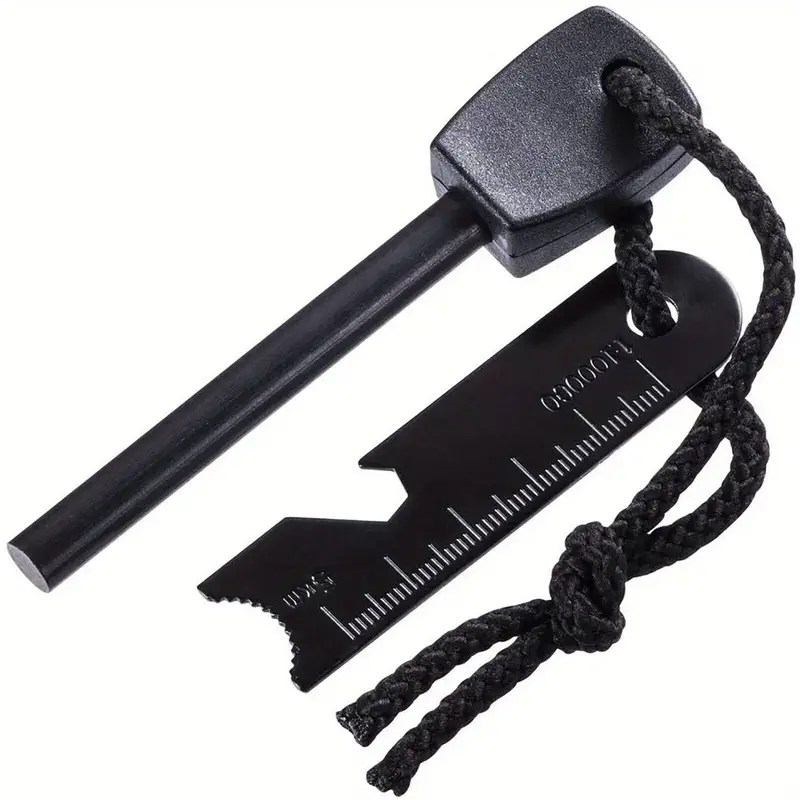
Your Ultimate Outdoor Companion: The Flint Rod Camping Hiking Survival Metal Fire Starter Lighter

When you’re out in the wild, your gear can mean the difference between comfort and survival. Among the essentials, a reliable fire starter is non-negotiable. Enter the Flint Rod Camping Hiking Survival Metal Fire Starter Lighter with a full magnesium rod—a must-have tool for adventurers, campers, and survivalists alike. Let’s explore why this compact yet powerful tool deserves a spot in your outdoor kit.

What is a Flint Rod Fire Starter?

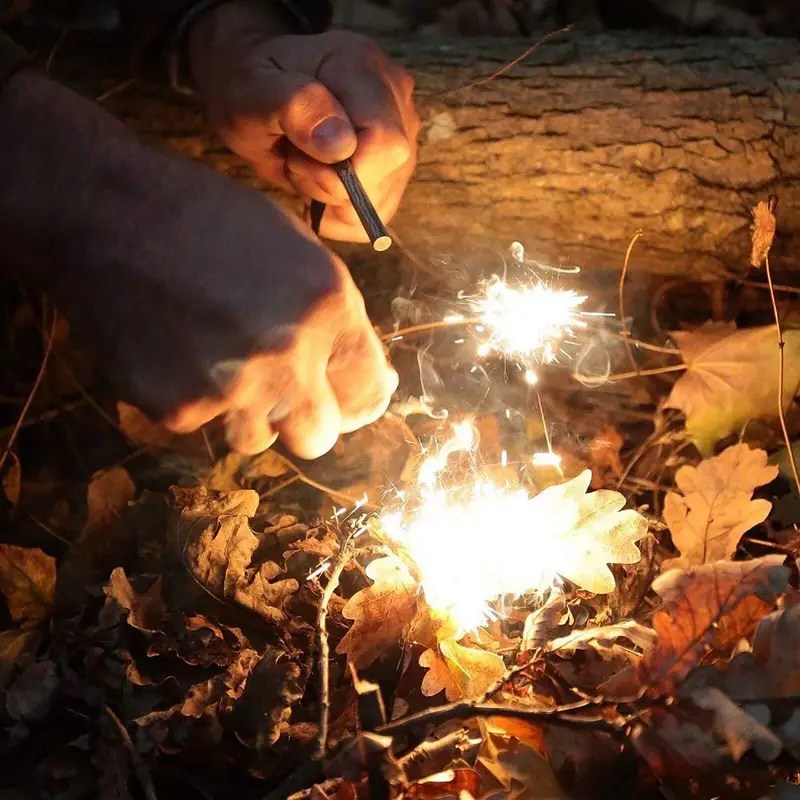
A flint rod fire starter is a compact tool designed to produce sparks when struck, igniting a fire. This particular model includes a full magnesium rod, which makes it a cut above the rest. Magnesium is a highly flammable material that burns at extremely high temperatures, ensuring that your fire starts quickly, even in challenging conditions.

Key Features of the Flint Rod Fire Starter

  1. Full Magnesium Rod: Unlike standard fire starters that rely solely on a small magnesium strip, this fire starter features a full magnesium rod. It provides more material to scrape, ensuring long-term use and reliable fire-starting capability.
  2. Compact and Lightweight: The fire starter is small enough to fit into your pocket or hang on your keychain, making it easy to carry on hikes or camping trips.
  3. Durability: Built with high-quality metal, this fire starter is designed to withstand harsh outdoor environments. Its rugged construction ensures it can endure drops, scratches, and rough handling.
  4. All-Weather Reliability: Whether you’re battling rain, wind, or snow, this fire starter is dependable. Magnesium ignites easily even when wet, giving you a reliable fire-starting solution in unpredictable weather.
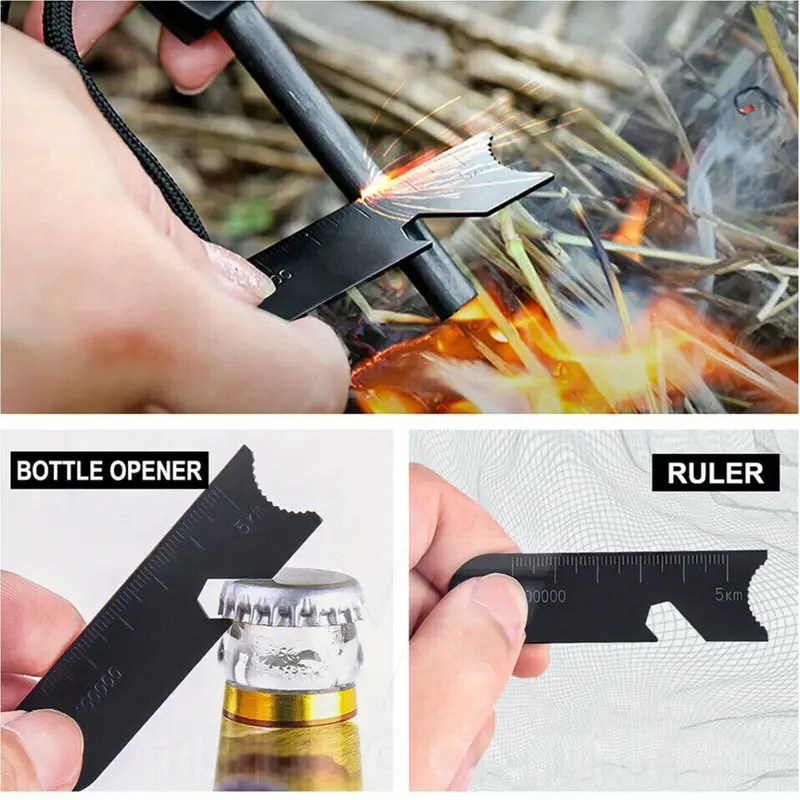
  5. Multi-Use Tool: Beyond starting fires, the tool often comes with a scraper that doubles as a ruler or bottle opener, adding versatility to your gear.

Why Choose the Flint Rod Fire Starter?

  1. Safety First: Matches and lighters can run out or fail in damp conditions, leaving you stranded. A magnesium fire starter provides a fail-safe option to ignite a fire in emergencies.
  2. Ease of Use: Creating a spark is as simple as scraping the magnesium rod with a metal striker. Collect the magnesium shavings, spark them, and watch your fire roar to life.
  3. Cost-Effective: This fire starter is affordable and long-lasting, offering thousands of uses before it needs replacement.
  4. Environmental Friendliness: Unlike single-use lighters or chemical fire-starting solutions, this tool leaves no waste, making it an eco-friendly choice for conscientious adventurers.

Tips for Using the Flint Rod Fire Starter

  1. Prepare Your Tinder: Gather dry leaves, twigs, or cotton balls to catch the sparks quickly. Magnesium shavings work exceptionally well as a base layer.
  2. Angle Matters: Hold the scraper at a 45-degree angle and press firmly against the magnesium rod while scraping downward. Consistent pressure ensures strong sparks.
  3. Stay Safe: Always use your fire starter in a safe location, away from flammable materials that you don’t intend to burn.
  4. Practice Makes Perfect: Before heading out, practice using your fire starter at home to get the hang of striking the rod and igniting the fire.

Conclusion

The Flint Rod Camping Hiking Survival Metal Fire Starter Lighter with a full magnesium rod is a practical, reliable, and versatile tool for outdoor enthusiasts. Its durability, ease of use, and all-weather performance make it an invaluable asset for anyone venturing into nature. Whether you’re cooking a meal, staying warm, or signaling for help, this fire starter ensures you’re always prepared. Don’t embark on your next adventure without it!

The Ultimate Waterproof Notebook Set for Outdoor Enthusiasts

If you’re an adventurer, a hiker, a camper, or someone who loves exploring the great outdoors, you know that reliable gear can make or break your experience. One piece of equipment often overlooked but incredibly useful is a durable, all-weather notebook set. Introducing the Waterproof Notebook Set with Windproof Pen & Storage Bag, designed specifically for outdoor enthusiasts who need to take notes, sketch, or jot down important information in challenging environments.

Why You Need a Waterproof Notebook Set

Whether you’re mapping a trail, recording observations, or keeping a journal of your adventures, a standard notebook won’t cut it when rain, snow, or high humidity comes into play. This waterproof notebook set is built to endure the elements, ensuring your notes stay legible no matter the weather. Here’s what makes it indispensable:

  • Waterproof Notepads: The pages are made of high-quality, water-resistant materials that repel water, mud, and even accidental spills. You can write confidently without worrying about smudges or soggy pages.
  • Windproof Pen: Standard pens often fail in extreme conditions. This set includes a windproof pen designed to write smoothly on the waterproof paper, regardless of temperature or altitude.
  • PVC Storage Bag: To keep everything organized and protected, the set comes with a sturdy PVC storage bag. It’s lightweight, compact, and fits easily into your backpack or pocket.

Features Designed for Outdoor Use

  1. Compact Size: Each notepad is perfectly sized for portability. Small enough to carry comfortably but large enough for practical note-taking.
  2. Durable Materials: The rugged construction of the notebook ensures it won’t tear or degrade even under tough conditions.
  3. Easy Organization: With multiple notepads in the set, you can designate specific notebooks for different purposes, such as journaling, sketching, or mapping.
  4. Eco-Friendly Options: Many waterproof notepads are now designed with environmentally friendly materials, giving you peace of mind as you explore nature.

Who Can Benefit?

This waterproof notebook set isn’t just for hikers and campers. It’s also ideal for:

  • Field Researchers: Whether studying plants, animals, or geological formations, the set allows for accurate note-taking in unpredictable weather.
  • First Responders: Emergency workers can record critical information in the field without worrying about weather-related damage to their notes.
  • Boaters and Fishermen: Perfect for keeping logs or jotting down measurements while out on the water.
  • Hunters: Easily track routes, notes, and sightings without fear of the elements.

Tips for Using Your Waterproof Notebook Set

  • Use the Right Pen: While the windproof pen included in the set is optimal, make sure any additional writing tools you use are compatible with waterproof paper.
  • Store It Safely: Keep your notebook in the PVC storage bag when not in use to ensure it stays clean and organized.
  • Label Your Notepads: Assign specific notebooks for different tasks to keep your notes sorted and accessible.

Conclusion

The Waterproof Notebook Set with Windproof Pen & Storage Bag is a game-changer for anyone venturing into the outdoors. Its durability, portability, and reliability make it an essential tool for capturing memories, recording data, or planning your next big adventure. Don’t let the weather stop you—equip yourself with the tools to stay prepared and inspired, no matter where the journey takes you.

What You Need to Consider Before Building a Fallout Shelter or Underground Bunker

In today’s uncertain world, many people are turning to the idea of building a fallout shelter or underground bunker as a way to protect themselves from various potential threats. Whether the risk is nuclear fallout, natural disasters, or societal collapse, an underground bunker can provide a sense of security. However, before you embark on the journey of constructing your own, there are several critical factors to consider. Below is a comprehensive guide on the most important aspects of building a fallout shelter or underground bunker.

1. Location, Location, Location

The first and perhaps most crucial consideration is where you plan to build your shelter. Ideally, your fallout shelter should be placed in a location that is:

  • Away from high-risk areas: These include areas near military bases, major cities, or industrial zones, which might be primary targets in the event of a nuclear attack or disaster.
  • Stable ground: The location should be free of flooding risks, close to seismic fault lines, or prone to soil erosion. This will ensure your shelter remains safe and intact.
  • Accessible but discreet: The location should be easy for you to access quickly, yet not too obvious to others who might not be aware of your shelter, to maintain a level of privacy and security.

2. Design and Layout

The design of your fallout shelter or underground bunker will depend on various factors, including the size of your family, the length of time you plan to spend in the shelter, and the type of protection you need. When designing the layout, consider the following:

  • Size and capacity: Will the shelter be able to accommodate your family and any additional people you may need to shelter? It’s essential to have enough space for sleeping, food storage, and necessary equipment.
  • Ventilation: Fresh air is crucial. Without proper ventilation, you could suffocate or suffer from carbon dioxide poisoning. A well-designed ventilation system with air filtration is vital to keep the air supply safe.
  • Escape routes: Consider having multiple exits or escape routes in case the main entrance becomes blocked or inaccessible.
  • Functionality: The layout should account for the most essential elements like sleeping areas, sanitation (toilets, waste disposal), and food storage. A small kitchen or cooking station should also be factored in, especially if you plan to spend a long time inside.

3. Building Materials

Choosing the right materials is key to constructing a safe and secure fallout shelter or bunker. The primary goal is to protect against external threats such as radiation, blasts, and the elements. Some materials to consider include:

  • Concrete: Reinforced concrete is a popular choice due to its strength and ability to withstand blasts. It is also an excellent barrier against radiation.
  • Steel: Steel doors, frames, and reinforcements can enhance the shelter’s durability and security.
  • Lead or thick steel plating: If your main concern is radiation, consider additional lead or steel plating to protect from radiation exposure.
  • Earth berms or dirt: Covering the shelter with a layer of dirt or earth can offer extra protection from radiation and external forces.

4. Cost and Budget

Building a fallout shelter can be a substantial investment, with costs ranging from a few thousand dollars to tens of thousands, depending on the size, complexity, and materials you choose. Keep in mind the following:

  • Initial costs: Excavating land, purchasing materials, and paying for professional labor can quickly add up.
  • Ongoing maintenance: Even once the shelter is built, you’ll need to maintain it. This includes ensuring the ventilation system is working, testing the water supply, and keeping food and medical supplies up to date.
  • Security measures: Investing in security measures like reinforced doors, security cameras, and alarms can add to the budget, but these features are essential for safety.

5. Supplies and Sustainability

A fallout shelter is only as good as the supplies you stockpile inside it. You’ll need to plan for long-term sustainability, especially if you anticipate staying underground for extended periods. Consider the following:

  • Water supply: Fresh water is essential for survival. You’ll need enough water to sustain your family for an extended period, plus a filtration system to purify any additional water sources.
  • Food storage: Stock up on non-perishable food items like canned goods, freeze-dried meals, and bulk dry foods. These will need to be rotated regularly to ensure they remain edible.
  • Medical supplies: Ensure you have a first aid kit, prescription medications, and other health-related items to deal with potential injuries or illnesses.
  • Power sources: Consider solar panels, batteries, or generators as a backup power source for lighting, heating, and powering essential equipment. Make sure you have enough fuel for your generator in case of extended power outages.
  • Waste management: Without proper sanitation, the shelter could become unlivable. Stock up on waste disposal bags, chemicals for breaking down waste, and portable toilets if needed.

6. Legal and Zoning Considerations

Before building a fallout shelter, check your local zoning laws, building codes, and any legal restrictions. Some areas may have regulations regarding underground structures, especially if they interfere with utility lines, drainage systems, or public safety. You may need special permits for excavation or building, and in some cases, construction of a bunker may not be allowed.

7. Security and Secrecy

While it might feel comforting to have a fallout shelter, it’s important to ensure that others don’t know about it. The element of surprise is a huge advantage if the world around you descends into chaos. Consider the following:

  • Privacy: Avoid disclosing the exact location of your bunker to others unless absolutely necessary.
  • Security systems: Reinforce entry points with locks, alarms, and security cameras. Consider an airtight security plan to prevent unauthorized access.
  • Communication: You may want a reliable communication system to stay informed during a crisis but keep it secure and private.

8. Psychological Factors

Living in a bunker for an extended period can take a toll on your mental health. It’s important to plan for the psychological aspects of shelter life:

  • Space for relaxation: Designate areas for recreation or relaxation to reduce stress.
  • Entertainment and hobbies: Stock up on books, games, or other entertainment to keep yourself occupied.
  • Mental resilience: Prepare yourself and your family mentally for the possibility of isolation and confinement.

Conclusion

Building a fallout shelter or underground bunker is no small task, but with careful planning, attention to detail, and a realistic understanding of your needs and resources, it can provide an invaluable sense of security. Consider the factors above, and remember that the success of your shelter will depend on your ability to plan for both the physical and psychological aspects of survival. Stay informed, stay prepared, and ensure that your shelter is both a safe haven and a sustainable living space during challenging times.

Why an Emergency Survival Shelter Tent is a Must-Have for Every Outdoor Adventure

When you venture into the wild, being prepared for unexpected situations can mean the difference between comfort and survival. One essential piece of gear that every outdoor enthusiast should have is an Emergency Survival Shelter Tent for 2 Persons, made from waterproof and thermal PE material. Compact, lightweight, and reliable, this tent is designed to protect you from the elements and ensure safety in unforeseen conditions. Here’s why you should never head outdoors without one.

What is an Emergency Survival Shelter Tent?

An emergency survival shelter tent is a portable, temporary structure designed to provide quick and reliable protection in extreme weather conditions. Specifically crafted for emergency scenarios, these tents are lightweight and easy to deploy, making them ideal for hikers, campers, and adventurers who need immediate shelter. Made from thermal PE material, they retain body heat while offering waterproof and windproof properties.

Key Features of the Survival Shelter Tent

1. Waterproof and Weather-Resistant

The durable PE material ensures that rain, snow, or wind won’t penetrate the tent, keeping you dry and safe in any weather condition. This feature is especially critical during sudden downpours or cold nights.

2. Thermal Insulation

The tent’s thermal properties help retain your body heat, preventing hypothermia in cold environments. By reflecting heat back towards you, the tent ensures warmth even when temperatures drop unexpectedly.

3. Lightweight and Portable

Weighing just a few pounds, this survival tent is easy to carry without adding significant weight to your gear. Its compact design means it can fit seamlessly into backpacks or emergency kits.

4. Room for Two

Designed to accommodate two people, this tent ensures that you and a companion can stay protected together, maximizing both space and warmth.

5. Easy Setup

No complicated tools or instructions are required. Simply unpack, unfold, and secure the tent with its included ropes or stakes. Its intuitive design ensures that even in stressful situations, you can set it up in minutes.

Why You Should Never Be Without One

1. Unpredictable Weather

Mother Nature is notoriously unpredictable. Even a sunny day can quickly turn into a stormy ordeal. Having a survival shelter ensures that you’re prepared for sudden weather changes, whether it’s rain, snow, or strong winds.

2. Safety in Emergencies

If you get lost, injured, or stranded, having a survival tent can be a lifesaver. It provides a safe space to rest, recover, and protect yourself from the elements while waiting for help.

3. Lightweight Insurance

Carrying an emergency shelter adds negligible weight to your pack but offers immense peace of mind. It’s a small investment that could make a huge difference when you need it most.

4. Versatility

Beyond emergencies, these tents are perfect for planned overnight hikes or minimalist camping trips. Their compact size and quick setup make them a practical choice for any outdoor adventure.

5. Protection from Hypothermia

Exposure to cold temperatures is a leading cause of outdoor emergencies. A thermal survival tent acts as a barrier against heat loss, ensuring that you stay warm and safe even in freezing conditions.

How to Choose the Right Emergency Shelter Tent

When selecting an emergency survival shelter tent, look for the following qualities:

  • Durability: Ensure the material can withstand harsh conditions.

  • Size: Make sure it comfortably fits the intended number of users.

  • Ease of Use: Opt for a design that’s intuitive and quick to set up.

  • Weight: Prioritize lightweight options that are easy to carry.

  • Waterproofing and Insulation: These features are non-negotiable for survival situations.

Conclusion

An Emergency Survival Shelter Tent for 2 Persons is not just an accessory—it’s a necessity. Whether you’re an avid adventurer or a casual hiker, having this essential piece of gear ensures that you’re always prepared for the unexpected. Its combination of waterproof, thermal, and lightweight features makes it an indispensable companion for any outdoor journey.

Don’t wait for an emergency to realize its importance. Equip yourself with a survival shelter tent and explore the outdoors with confidence, knowing you’re ready for whatever nature throws your way.

The Ultimate Guide to the Water Filter Straw: Your Essential Survival Tool

When venturing into the wilderness, preparing for emergencies, or simply exploring the great outdoors, access to clean and safe drinking water is non-negotiable. This is where the Water Filter Straw with 0.01 Micron 4-Stage Filtration comes into play. Compact, portable, and incredibly effective, this survival purifier is a must-have for adventurers, travelers, and preparedness enthusiasts alike. Let’s dive into what makes this innovative device a game-changer.

What is a Water Filter Straw?

A water filter straw is a portable filtration device designed to purify contaminated water directly from its source. It allows you to drink safely from lakes, rivers, streams, or even stagnant pools without the need for bulky filtration systems or chemical treatments. With its advanced 4-stage filtration system, this particular model ensures that you can hydrate with confidence, no matter where you are.

The 4-Stage Filtration System Explained

The 4-stage filtration process is what sets this water filter straw apart from the competition. Here’s how it works:

1. Pre-Filter Layer: This initial stage removes large particles such as sand, silt, and debris, ensuring smoother water flow and extending the lifespan of the filter.

2. Activated Carbon Layer: Activated carbon is highly effective at reducing odors, improving taste, and removing harmful chemicals such as chlorine and pesticides.

3. Hollow Fiber Membrane (0.01 Micron): The heart of the filtration system, this ultra-fine membrane traps 99.99% of bacteria, protozoa, and other microorganisms, including E. coli and Giardia.

4. Post-Filtration Layer: For an extra layer of safety, this stage further polishes the water, ensuring it is safe, clean, and pleasant to drink.

Key Features and Benefits

1. Compact and Lightweight

Weighing less than a smartphone, the water filter straw is incredibly portable. Its compact design means it fits easily in backpacks, emergency kits, or even your pocket.

2. High Filtration Capacity

Capable of filtering thousands of liters of water, this straw provides long-lasting utility, making it ideal for extended trips or emergency scenarios.

3. Versatile Use

Whether you’re hiking, camping, backpacking, or traveling to areas with questionable water quality, this straw adapts to your needs. It’s also an excellent addition to home emergency preparedness kits.

4. Eco-Friendly Alternative

Say goodbye to single-use plastic bottles. By using this water filter straw, you contribute to reducing plastic waste while ensuring a reliable water source.

5. Easy to Use

Simply place the straw directly into the water source or attach it to a compatible bottle. Sip as you would through a regular straw—the filtration happens instantly.

Why Every Adventurer Needs One

The unpredictability of outdoor environments makes having a reliable water filtration system non-negotiable. Dehydration and waterborne illnesses are real threats that can quickly derail your plans. The water filter straw empowers you to tackle these challenges head-on, providing peace of mind and the freedom to explore.

Moreover, in emergency situations like natural disasters, clean water can become scarce. This straw ensures you and your loved ones have access to safe drinking water, enhancing your survival strategy.

Final Thoughts

Investing in a Water Filter Straw with 0.01 Micron 4-Stage Filtration is more than just a smart purchase; it’s a commitment to safety, sustainability, and preparedness. Whether you’re a seasoned explorer or someone preparing for the unexpected, this portable purifier will be your trusted companion.

So, gear up, embrace the outdoors, and stay hydrated—because clean water should never be a luxury, but a guarantee.


Why You Need an Emergency Hand Crank Radio

When emergencies strike, whether they’re natural disasters like hurricanes, blizzards, or power outages, having reliable access to critical information and basic utilities is crucial. Among the essential tools for preparedness, an emergency hand crank radio with a 2000mAh power bank stands out as a versatile and lifesaving device. Here’s why it’s a must-have for both indoor and outdoor use.

Stay Informed During Emergencies

In times of crisis, staying updated on weather conditions and emergency alerts can make the difference between safety and peril. An emergency hand crank radio equipped with AM/FM/NOAA capabilities ensures you’re always in the loop, even when cellular networks or the internet fail. NOAA Weather Radio provides continuous updates on severe weather conditions, evacuation instructions, and other vital alerts to keep you informed.

Power Your Devices On the Go

One of the standout features of this radio is its built-in 2000mAh power bank. During a blackout, your smartphone becomes a lifeline for communication, navigation, and accessing apps. However, without a reliable power source, your phone’s battery could die quickly. The 2000mAh power bank ensures you have an emergency backup to charge your phone or other small USB devices, keeping you connected when you need it most.

Multiple Charging Options for Reliability

This emergency radio isn’t limited to just one power source. It offers multiple ways to recharge:

  • Hand Crank: Generate power manually when other options are unavailable.

  • Solar Panel: Harness the sun’s energy for eco-friendly charging during the day.

  • USB Charging: Recharge the device fully using a USB cable before an anticipated event or trip.

These versatile charging options mean you’ll always have a reliable power source, regardless of the situation.

Illuminate the Darkness

Power outages often leave us in the dark. This emergency radio’s 3-LED flashlight is a practical feature to help you navigate your surroundings safely. Whether you’re camping, searching for supplies, or signaling for help, the flashlight is an invaluable tool to have on hand.

Perfect for Outdoor Adventures

Beyond emergencies, this portable weather radio is an excellent companion for outdoor activities like camping, hiking, or fishing. Its compact design makes it easy to carry, and its durability ensures it can withstand rugged conditions. Plus, the ability to receive weather updates and charge your devices adds an extra layer of convenience and safety.

Prepare for the Unexpected

Emergencies are unpredictable, but being prepared isn’t. Investing in an emergency hand crank radio with a 2000mAh power bank, AM/FM/NOAA weather capabilities, and solar-powered functionality equips you to face a wide range of challenges. It’s not just a gadget; it’s peace of mind.

Make sure your emergency kit includes this reliable tool. Whether you’re preparing for a storm or planning your next outdoor adventure, this device is an essential addition to your gear. Stay safe, stay connected, and stay prepared.

0
    0
    Your Cart
    Your cart is emptyReturn to Shop