EMF Meter – 3-in-1 Magnetic, Electric & RF Radiation Detector

Protect your home, office, and family with accurate EMF detection.
This professional-grade EMF Meter measures Magnetic Fields (up to 200 µT / 2000 mG), Electric Fields (up to 2000 V/m), and RF Radiation (up to 100 mW/m²) — all in one easy-to-use device.

⭐ Key Features

  • Magnetic Field Measurement: Detects up to 200 µT (microtesla) / 2000 mG (milligauss)

  • Electric Field Measurement: Measures up to 2000 V/m

  • RF Radiation Measurement: Detects up to 100 mW/m²

  • 3-in-1 Functionality: Save money and time with a single multi-purpose tool

  • User-Friendly: Digital display, clear interface, and ergonomic design

  • Portable & Lightweight: Perfect for both home use and professional inspections


📊 Specifications

Parameter Range
Magnetic Field 0 – 200 µT / 0 – 2000 mG
Electric Field 0 – 2000 V/m
RF Radiation 0 – 100 mW/m²
Display Digital LCD with backlight
Power Supply Battery operated (long life)
Dimensions Compact & lightweight design


🏠 Applications

  • Test home appliances (microwave, fridge, TV, computer)

  • Measure Wi-Fi router & mobile phone radiation

  • Check power lines, electrical wiring, and adapters

  • Inspect bedrooms, nurseries, and offices for hotspots

  • Professional use for electricians, inspectors & EMF consultants

💡 Why Choose This EMF Meter?

  • All-in-One: Combines magnetic, electric, and RF testing in one device

  • Peace of Mind: Monitor EMF exposure levels in your environment

  • Professional-Grade Accuracy: Reliable for both home and work use

  • Simple to Operate: No complex setup — just switch on and measure


📦 What’s Included

  • 1 × EMF Meter (3-in-1)

  • User Manual

  • Batteries (optional depending on package)


🔒 100% Satisfaction Guarantee

We stand behind the quality of our EMF Meter. If you’re not fully satisfied, return it within 30 days for a full refund — no questions asked.

🛒 Order Yours Today!

Take control of your environment and protect what matters most.
👉 [Add to Cart]

HABOTEST HT627 EMF Meter 1
HABOTEST HT627 EMF Meter 7
HABOTEST HT627 EMF Meter 8

What Is No Grid Survival Projects?

No Grid Survival Projects is a survival manual aimed at helping readers achieve self-reliance by providing detailed instructions on various projects. The book covers essential areas such as water procurement, food preservation, energy generation, shelter building, and home defense. Each project includes step-by-step guidance, material lists, and illustrations to facilitate easy implementation.


Key Features

  • Comprehensive Project Categories: The book is organized into eight chapters, each focusing on a critical aspect of survival:

Practical Applications

The book is designed to prepare individuals for various scenarios, including natural disasters, economic crises, and long-term power outages. Projects like building a backyard power plant, creating a rainwater harvesting system, and constructing traps for food procurement are tailored to ensure survival without reliance on modern infrastructure.askaprepper.com+10goodreads.com+10nogridsurvivalprojects.com+10thedailyworld.com+1nogridsurvivalprojects.com+1

Who Should Read This Book?

No Grid Survival Projects is suitable for:

No Grid Survival Projects serves as a valuable resource for anyone interested in achieving greater self-sufficiency. Its practical approach, comprehensive coverage, and accessible instructions make it a worthwhile addition to the library of preppers, homesteaders, and DIY enthusiasts alike.


Why a Two-Way or Ham Radio Is Essential in a Survival or Bug-Out Situation

In a world where we’re used to instant communication via smartphones and internet, it’s easy to overlook just how fragile our modern communication networks are. In a survival situation—whether caused by natural disasters, grid failures, civil unrest, or a full-blown bug-out scenario—those networks can go down in an instant. When that happens, a two-way radio or ham radio isn’t just a convenience—it can be a lifesaver.

1. When Cell Towers Go Down, Radios Still Work

Cell phone networks depend on a web of infrastructure: towers, fiber optics, and power grids. In a disaster, any part of that system can fail. But two-way radios and ham radios don’t rely on that grid. They use radio waves to send and receive information directly from one unit to another (in the case of two-way radios), or via repeaters and long-distance frequencies (in the case of ham radios). This independence makes them one of the most reliable forms of communication during a crisis.

2. Real-Time Communication Without the Internet

In a bug-out situation, time is critical. You may need to coordinate with family members, alert others to threats, or call for help. Radios offer instant, voice-based communication without the need for Wi-Fi, apps, or cell signal. You press a button and speak—no waiting for texts to go through or buffering during a call.

3. Ham Radios Have Incredible Range

While simple two-way radios (like FRS/GMRS) are great for short-range communication, ham radios can connect you with people miles—or even hundreds of miles—away. With the right setup and license, you can reach across the country or even the globe. This kind of reach can be vital for getting updated news, weather alerts, or making contact when stranded in remote locations.

4. Stay Informed With Emergency Broadcasts

Many ham radios can receive NOAA weather alerts, emergency broadcasts, and public service announcements. This makes them a critical tool for staying informed about evolving situations—like incoming storms, evacuation orders, or other hazards—especially when internet or TV isn’t an option.

5. Community and Support Networks

Ham radio isn’t just about gear—it’s about community. Across the world, licensed ham operators form a decentralized, volunteer-based communication network that activates in times of crisis. During hurricanes, earthquakes, or blackouts, ham radio operators have been the first to relay messages between affected zones and emergency responders. In a long-term survival scenario, these networks can offer guidance, supplies, and morale.

6. They’re Durable, Portable, and Dependable

Survival situations demand rugged gear. Radios like the Baofeng UV-5R or Motorola Talkabouts are built to withstand the elements. They’re small enough to fit in a bug-out bag and can operate for days on a single charge, especially if you have solar charging options. Unlike a phone, you won’t be searching for a Wi-Fi signal or waiting for an app update—you’re always ready.

7. You Control the Channel

With radios, you choose the frequency. This allows for private, group, or emergency channels that can’t be easily monitored or jammed by outsiders (especially when using encrypted digital radios or smart frequency management). In a tense or hostile situation, communication security can mean the difference between safety and exposure.


Final Thoughts

In any true survival or bug-out scenario, communication becomes one of your top priorities—right up there with food, water, and shelter. A two-way or ham radio offers more than just a line of contact—it provides information, coordination, and peace of mind.

Whether you’re prepping for a major disaster or simply preparing for a remote camping trip, having a reliable radio and knowing how to use it could be the best decision you ever make.

Two Way Radio

Going 100% Off-Grid: What You Need to Know Before You Make the Leap

In an age where sustainability and self-reliance are becoming more important than ever, the idea of going completely off-grid is growing in appeal. No more monthly utility bills, no more reliance on aging infrastructure, and the satisfaction of being truly self-sufficient—it sounds like a dream. But before you sell your house, buy a piece of remote land, and start digging a well, there are some major things to consider and critical steps to take.

Here’s a breakdown of what going 100% off-grid really means—and what you’ll need to do to make it a reality.


🔌 1. Understand What “Off-Grid” Really Means

Going off-grid typically means cutting ties with public utilities like electricity, water, sewer, and sometimes even internet and mobile networks. You’re responsible for generating your own power, sourcing your own water, managing your own waste, and maintaining your own systems. It’s a lifestyle shift just as much as a logistical one.


⚡ 2. Power: Solar, Wind, Hydro or a Hybrid?

Solar is the most common option thanks to falling prices and increased efficiency of solar panels and battery systems. But you might also consider:

  • Wind turbines (great for windy areas)

  • Micro-hydro power (if you have access to flowing water)

  • Generators (as a backup, usually propane or diesel)

You’ll need to calculate your total energy usage, decide how much you’re willing to reduce it, and then size your system accordingly—including battery storage for cloudy days or nighttime.


💧 3. Water: Collecting, Storing, and Purifying

Off-grid living requires a reliable source of clean water. Here are a few options:

  • Well water (deep wells can be expensive to drill but offer independence)

  • Rainwater harvesting (more effective in areas with regular rainfall)

  • Nearby surface water (requires significant filtration and purification)

Don’t forget you’ll need pumps (usually electric), filters, storage tanks, and maybe UV or reverse osmosis systems depending on the quality of your source.


🚽 4. Waste: Human, Greywater, and Trash

When it comes to waste, going off-grid means you’ll be managing it all yourself:

  • Septic systems are common for blackwater.

  • Composting toilets offer a lower-impact, waterless alternative.

  • Greywater systems can recycle water from sinks/showers for irrigation.

  • Trash and recycling will need a plan—either hauling it yourself or minimizing waste production as much as possible.


🔥 5. Heating, Cooking, and Cooling

You’ll need alternative ways to heat and cool your home, especially in extreme climates. Some solutions:

  • Wood stoves or pellet stoves for heat

  • Propane appliances for cooking or heating water

  • Passive solar design to help maintain a comfortable indoor temperature

  • High-efficiency insulation to reduce energy use


🏡 6. Shelter: Build or Retrofit?

If you’re starting from scratch, building a home specifically designed for off-grid life (passive solar, high insulation, minimal energy needs) is ideal. If you’re retrofitting an existing house, expect significant upgrades—especially to insulation, windows, and systems.


📍 7. Land: Choose Wisely

Land selection might be the most important step. Things to consider:

  • Access to natural resources (sun, wind, water)

  • Climate and growing seasons

  • Local regulations and zoning laws (some areas restrict off-grid living)

  • Accessibility (can you get there year-round?)

  • Community support or isolation (do you want to be near others?)


🛠 8. Skills You’ll Need (or Want)

Living off-grid means becoming your own electrician, plumber, mechanic, gardener, and more. It’s a steep learning curve, but incredibly rewarding.

Some helpful skills include:

  • Basic electrical and solar knowledge

  • Plumbing and system maintenance

  • Gardening and food preservation

  • First aid and emergency preparedness


💰 9. Budget: Be Realistic

While the long-term savings can be significant, the upfront costs of going off-grid can be high. Solar systems, batteries, land, tools, and construction add up quickly. Create a detailed budget and leave room for unexpected expenses.


🌱 10. Lifestyle Considerations

This is a big one. Off-grid living often means giving up some modern conveniences. Are you ready to:

  • Use less power?

  • Deal with your own maintenance issues?

  • Live further from cities and services?

  • Grow and preserve your own food?

If the answer is yes, you’re already halfway there mentally.


Final Thoughts

Going 100% off-grid isn’t just a technical or financial challenge—it’s a mindset shift. It takes patience, grit, and a desire to live more in tune with the environment. But for those willing to put in the work, the reward is independence, resilience, and a lifestyle that truly reflects your values.

Thinking about taking the plunge? Start small. Test your systems, build your skills, and transition gradually if you can. The journey to off-grid living is just as important—and rewarding—as the destination.

Going Off Grid

Freeze-Dried Meal Kits: The Perfect Choice for Outdoor Adventures and Emergency Preparedness

Whether you’re trekking through remote mountain trails, setting up camp under the stars, or simply ensuring your family is prepared for emergencies, freeze-dried meal kits are a game-changer. Lightweight, long-lasting, and packed with nutrients, these meals are a top choice for outdoor enthusiasts and those focused on readiness alike.

What Are Freeze-Dried Meal Kits?

Freeze-drying is a preservation method where moisture is removed from food through a rapid freezing and vacuum process. The result? Meals that maintain their original flavor, texture, and nutrients—without the need for refrigeration.

These kits often come pre-portioned, ready to eat with just the addition of hot water. From hearty stews and pasta to breakfast scrambles and desserts, there’s a freeze-dried version of nearly every comfort food you can imagine.

Why Outdoor Enthusiasts Love Them

For hikers, campers, and backpackers, every ounce of weight matters. Freeze-dried meals are incredibly lightweight and compact, making them ideal for packing light without sacrificing nutrition or variety. Plus, they’re quick to prepare—just boil water, pour it in the pouch, wait a few minutes, and enjoy a hot, satisfying meal.

No mess, no bulky cookware, and no cleanup. Just fuel for your next adventure.

A Smart Move for Emergency Preparedness

Natural disasters, power outages, or unexpected disruptions can leave you without access to fresh food. Freeze-dried meal kits offer a reliable, long-term food solution that can last 20+ years on the shelf. They’re easy to store, require minimal prep, and deliver essential calories and nutrients when it matters most.

Stocking up on freeze-dried meals means peace of mind, knowing you’re ready for the unexpected with food that’s both practical and delicious.

Key Benefits

  • Long shelf life: Many kits last up to 25 years when stored properly.

  • Lightweight and portable: Perfect for travel, camping, or bug-out bags.

  • Nutrient-rich: Designed to keep energy levels high and bodies fueled.

  • Easy preparation: No fancy cooking gear needed—just add hot water.

  • Minimal waste: Portion-controlled and sealed for freshness.

Things to Consider When Choosing a Kit

Not all freeze-dried meal kits are created equal. When shopping, look for:

  • Meal variety (to avoid menu fatigue)

  • Calorie count per serving

  • Dietary preferences (vegetarian, gluten-free, etc.)

  • Reputable brands with quality control and customer reviews

Final Thoughts

Whether you’re planning a week-long hike or building a resilient emergency supply, freeze-dried meal kits are a smart, convenient, and dependable option. They blend practicality with comfort food vibes—perfect for those who want to stay adventurous and prepared.

So go ahead—pack your gear, plan your escape, or just prep your pantry. These meals have got your back.

Essential Items to Have at Home During a Flood

Heavy rain and flooding can strike unexpectedly, cutting off roads and leaving you stranded at home. Preparing ahead of time with essential supplies can make a huge difference in ensuring your safety and comfort. If you live in a flood-prone area or are experiencing heavy rain with road closures, here are the key items you should have at home to weather the storm.

1. Emergency Water Supply

Floods can contaminate water supplies, so it’s crucial to have a clean drinking water reserve. Store at least one gallon of water per person per day for a minimum of three days. If possible, fill up bathtubs and large containers with water for sanitation purposes.

2. Non-Perishable Food

Power outages and impassable roads can prevent access to fresh food. Stock up on ready-to-eat, non-perishable food items such as:

  • Canned goods (vegetables, beans, meats, soups)

  • Granola bars and protein bars

  • Dried fruits and nuts

  • Peanut butter

  • Crackers and cereals

  • Baby food and formula if needed Make sure to have a manual can opener if you’re storing canned food.

3. Flashlights and Batteries

Floods often cause power outages, so reliable battery-powered or rechargeable flashlights and lanterns are essential. Keep extra batteries on hand and consider solar-powered or hand-crank options.

4. First Aid Kit

A well-stocked first aid kit can be a lifesaver. Include:

  • Bandages and antiseptic wipes

  • Pain relievers (acetaminophen or ibuprofen)

  • Prescription medications (at least a week’s supply)

  • Medical gloves

  • Tweezers and scissors

  • Allergy medication (antihistamines)

  • Thermometer

5. Emergency Power Sources

Keep your cell phones and electronic devices charged as long as power is available. Have portable power banks or solar chargers ready. If possible, invest in a backup generator for extended power outages.

6. Hygiene and Sanitation Supplies

Floodwaters can carry contaminants, so maintaining hygiene is important. Stock up on:

  • Hand sanitizer and disinfectant wipes

  • Toilet paper and paper towels

  • Garbage bags for waste disposal

  • Feminine hygiene products

  • Soap and shampoo

  • Baby wipes if needed

7. Important Documents and Cash

Keep important documents (IDs, insurance policies, medical records, bank details) in a waterproof container or bag. Having some cash on hand is useful in case ATMs and card payments are unavailable.

8. Warm Clothing and Blankets

Flooding and storms can bring chilly conditions. Keep extra:

  • Warm clothing and socks

  • Waterproof boots and rain gear

  • Blankets and sleeping bags

9. Emergency Radio

A battery-powered or hand-crank NOAA weather radio will help you stay informed about emergency alerts, road closures, and rescue operations if power and internet are down.

10. Essential Tools and Supplies

  • A multi-tool or Swiss army knife

  • Plastic sheeting and duct tape for waterproofing

  • Sandbags if you’re expecting water intrusion

  • A whistle for signaling if you need help

  • Waterproof matches or lighters

11. Pet Supplies (If Applicable)

If you have pets, ensure you have:

  • Extra pet food and water

  • A leash or carrier

  • Any necessary medications

  • Waste disposal bags

12. Evacuation Bag (Go-Bag)

Even if you’re sheltering at home, it’s wise to have an evacuation bag ready in case you need to leave suddenly. Include essential clothing, documents, medication, and a few days’ worth of supplies.

Final Tips

  • Stay informed with weather alerts and local emergency broadcasts.

  • Avoid wading through floodwaters due to contamination and hidden dangers.

  • Ensure gas tanks are full in case evacuation is required.

  • Keep family emergency contacts handy and have a communication plan in place.

Flooding can be unpredictable, but with proper preparation, you can stay safe and comfortable until conditions improve. Stay vigilant and prioritize safety!

Essential Items for Your Home Survival Kit: Be Ready for Bad Weather, Flooding, and Power Outages

Unexpected weather events and power outages can happen at any time, leaving you without electricity, heat, or even running water. Whether it’s a severe storm, hurricane, flooding, or a sudden blackout, having a well-prepared home survival kit can make all the difference. Here are the must-have items you need to stay safe and comfortable during emergencies.

1. Emergency Food and Water

  • Water Supply: Store at least one gallon of water per person per day for at least three days.

  • Non-Perishable Food: Stock up on canned goods, protein bars, dried fruits, and ready-to-eat meals.

  • Manual Can Opener: If your food requires opening, ensure you have a non-electric can opener.

2. Lighting and Power Sources

  • Flashlights and Lanterns: Battery-powered or hand-crank flashlights and lanterns are essential.

  • Extra Batteries: Keep a variety of battery sizes available for different devices.

  • Portable Power Bank: A fully charged power bank can keep your phone and small electronics running.

  • Generator: If possible, invest in a generator to power essential appliances.

3. First Aid Kit

  • Basic Medical Supplies: Include bandages, antiseptics, gauze, and medical tape.

  • Essential Medications: Keep a supply of necessary prescription medications.

  • Pain Relievers and Allergy Medications: Stock aspirin, ibuprofen, and antihistamines.

4. Warmth and Shelter

  • Blankets and Sleeping Bags: Keep warm if the heat goes out.

  • Emergency Mylar Blankets: Lightweight and excellent for heat retention.

  • Plastic Sheeting and Duct Tape: Useful for sealing windows or creating a makeshift shelter.

5. Hygiene and Sanitation

  • Moist Towelettes and Hand Sanitizer: Helps maintain cleanliness.

  • Toilet Paper and Trash Bags: Essential for sanitation needs.

  • Personal Hygiene Items: Include toothbrushes, toothpaste, soap, and feminine hygiene products.

6. Communication and Safety

  • Battery-Powered or Hand-Crank Radio: Stay informed about emergency updates.

  • Whistle: Use to signal for help if needed.

  • Multi-Tool or Swiss Army Knife: Useful for various emergency situations.

  • Emergency Contact List: Have important numbers written down in case your phone dies.

7. Flood and Storm Protection

  • Sandbags or Water Barriers: Help prevent flooding damage.

  • Waterproof Containers: Protect important documents and electronics.

  • Rubber Boots and Rain Gear: Keep dry when dealing with water-related emergencies.

8. Fire Safety and Cooking

  • Fire Extinguisher: Have a working fire extinguisher in your home.

  • Waterproof Matches and Lighters: Essential for starting a fire for warmth or cooking.

  • Camping Stove or Grill: Use with proper ventilation if the power is out.

9. Important Documents and Cash

  • Copies of Important Documents: Store IDs, insurance policies, and emergency contacts in a waterproof container.

  • Cash in Small Bills: ATMs and credit card machines may not work during a power outage.

10. Pet Supplies (If Applicable)

  • Pet Food and Water: Ensure a sufficient supply for your pets.

  • Medications and Records: Keep a copy of veterinary records and any necessary medications.

  • Leash or Carrier: In case you need to evacuate with your pet.

Preparation is key when facing bad weather, flooding, or power outages. By assembling a comprehensive home survival kit, you can keep your family safe, comfortable, and ready for any emergency. Take the time to check and refresh your supplies regularly so that you’re always prepared when disaster strikes.

Why You Should Always Carry a Multifunctional Survival Card on Your Outdoor Adventures

When heading out into the great outdoors, whether for hiking, camping, or any other adventure, preparation is key. While most people remember the essentials like a flashlight, first aid kit, and water, one compact yet incredibly useful tool is often overlooked—the multifunctional survival card. This small but mighty tool can make a huge difference in emergency situations, and here’s why you should never leave home without one.

1. Compact and Lightweight

One of the biggest advantages of a multifunctional survival card is its size. Typically the size of a credit card, it easily fits in your wallet, pocket, or backpack without adding bulk or weight. Unlike larger tools that can be cumbersome to carry, a survival card ensures you always have essential tools on hand without sacrificing space.

2. Versatility and Multi-Use Functions

A good survival card packs multiple tools into one sleek design. Depending on the model, you might find features like:

  • A knife edge for cutting

  • A bottle opener for convenience

  • Screwdrivers and wrenches for quick repairs

  • A saw blade for cutting small branches

  • A compass for navigation

  • Firestarter tools for emergencies

  • Rulers and measuring guides

This level of versatility ensures you’re prepared for a variety of situations, from fixing broken gear to starting a fire for warmth.

3. Emergency Preparedness

In the wild, unexpected situations can arise at any time. Whether you find yourself lost, dealing with broken equipment, or needing to cut rope for shelter, a survival card can provide quick solutions without the need to rummage through a large backpack. Having easy access to essential survival tools can mean the difference between a minor inconvenience and a serious emergency.

4. Cost-Effective and Durable

Unlike bulky multi-tools or high-end survival gear, multifunctional survival cards are relatively inexpensive while still offering high durability. Made from stainless steel or other tough materials, they can withstand harsh conditions without breaking or rusting, making them a reliable addition to your adventure kit.

5. Ideal for Any Outdoor Enthusiast

Whether you’re an avid camper, an occasional hiker, or a survivalist, a multifunctional survival card is a must-have tool. Even if you don’t use it frequently, having it on hand provides peace of mind knowing you have a backup plan in case something goes wrong.

Final Thoughts

A multifunctional survival card is one of the most practical tools you can carry when venturing outdoors. Its compact size, versatility, and affordability make it an essential part of any adventurer’s gear. Before your next trip, make sure to pack one—you never know when it might come in handy!

The Incredible Utility of Paracord in Survival Situations

When it comes to survival gear, few items are as versatile and indispensable as paracord. Originally developed for military parachutes, paracord—short for “parachute cord”—has since become a staple for adventurers, survivalists, and outdoor enthusiasts. Lightweight, durable, and endlessly adaptable, paracord is an essential tool that can make a significant difference in emergency situations.

In this post, we’ll explore the many uses of paracord in survival scenarios and why it deserves a spot in every survival kit.


What Makes Paracord Special?

Paracord is made from nylon and typically consists of an outer sheath housing multiple inner strands, known as the “kernmantle design.” Its key qualities include:

  • High Tensile Strength: Paracord can hold up to 550 pounds (hence the common term “550 cord”), making it incredibly strong for its lightweight nature.

  • Flexibility and Durability: It’s resistant to rot, mold, and UV damage, ensuring long-lasting performance in various environments.

  • Multi-Strand Inner Core: The inner strands can be separated and used individually for finer tasks.


Survival Uses for Paracord

Paracord’s versatility stems from its ability to be used in a multitude of ways. Here are some of the most practical survival applications:

1. Shelter Building

In the wild, having a reliable shelter is crucial. Paracord can be used to:

  • Secure a tarp or rain poncho between trees to create a makeshift tent.

  • Tie together branches or poles to construct a more durable structure.

2. Fire Starting

Some paracord varieties, like “fire cord,” include a strand coated with a flammable material that can be used as tinder to start a fire.

3. Fishing Line and Traps

The inner strands of paracord can be used as fishing line, making it easier to catch food. It can also be fashioned into snares or traps for small game.

4. First Aid

Injuries in the wilderness can be life-threatening. Paracord can help with:

  • Creating a makeshift tourniquet to stop bleeding.

  • Securing a splint or sling for broken bones or sprains.

  • Using the inner strands as sutures for wound closure in extreme cases.

5. Gear Repair

Whether it’s a broken strap on your backpack, a torn tent, or damaged footwear, paracord can be used to make quick repairs, keeping your gear functional when you need it most.

6. Rope and Cordage

Strong and lightweight, paracord can:

  • Be used for climbing short distances (not professional climbing).

  • Serve as a clothesline for drying gear.

  • Help hoist food bags into trees to keep them away from wildlife.

7. Navigation and Rescue

Paracord can assist in navigation and signaling by:

  • Marking trails with bright-colored cord to prevent getting lost.

  • Creating an improvised rescue line for pulling someone to safety from water or steep terrain.

8. Everyday Convenience

Even outside of emergencies, paracord can be woven into bracelets, keychains, or belts, ensuring you always have some on hand for everyday needs.


Tips for Using Paracord Effectively

  • Know Your Knots: Learn basic knots like the bowline, square knot, and taut-line hitch to maximize paracord’s utility.

  • Practice Beforehand: Familiarize yourself with separating and using the inner strands.

  • Choose Quality: Not all paracord is created equal. Look for genuine MIL-C-5040H type III paracord for the best performance.


Final Thoughts

Paracord is more than just a piece of rope; it’s a survival tool that can save lives. Its lightweight and compact nature make it easy to carry, and its versatility ensures you’ll always find a use for it. Whether you’re venturing into the wilderness or preparing for emergencies, paracord is a must-have for anyone looking to stay prepared and resourceful.

So, the next time you’re packing for an outdoor adventure, don’t forget your trusty paracord. It’s the kind of tool that, when you need it, you’ll be glad you have.

Illuminate Your Adventures with Smokeless Windproof Emergency Candles

When it comes to preparing for emergencies or enhancing your outdoor experiences, few items are as versatile and reliable as Smokeless Windproof Emergency Candles. Whether you’re camping under the stars, hosting an outdoor party, or simply ensuring your household is ready for unexpected power outages, these candles are a must-have. Let’s explore what makes them an essential addition to your gear.

Features That Shine Bright

Extended Burning Time

Each jar contains 80 grams of natural soy wax, providing a total burning time of 96 hours. That’s plenty of illumination to guide your way through dark nights or create a cozy ambiance at your next gathering. The long-lasting nature of these candles ensures you won’t be left in the dark when you need them most.

Smokeless and Windproof Design

Unlike traditional candles, these are crafted to burn cleanly, producing no unpleasant smoke or soot. This feature makes them safe for indoor use, ensuring your living space remains fresh and inviting. Additionally, their windproof design is perfect for outdoor adventures, resisting gusts and staying lit even in challenging conditions.

Eco-Friendly and Natural

Made from natural soy wax, these candles are a sustainable choice for eco-conscious individuals. Soy wax is biodegradable and burns cleaner than paraffin wax, reducing your environmental footprint while offering a brighter and steadier flame.

Versatile Applications

Whether you’re hiking, camping, or planning an outdoor party, these candles provide reliable lighting. They’re also ideal for emergency preparedness kits, ensuring you’re ready for unexpected situations like power outages or storms.

Why Choose Smokeless Windproof Emergency Candles?

1. Reliability: Designed to perform in various conditions, these candles are your dependable source of light, indoors and outdoors.

2. Safety: The smokeless feature ensures no irritation or discomfort, making them suitable for enclosed spaces.

3. Durability: With a burn time of up to 96 hours, these candles offer exceptional longevity compared to standard options.

4. Portability: Compact and lightweight, they’re easy to pack and carry, no matter where your adventures take you.

Tips for Optimal Use

  • Placement: Always place the candle on a stable, heat-resistant surface to prevent accidents.
  • Storage: Keep your candles in a cool, dry place to maintain their quality.
  • Safety Precautions: Never leave a burning candle unattended, and keep it out of reach of children and pets.

Conclusion

Smokeless Windproof Emergency Candles are more than just a source of light; they’re a tool for creating memories, ensuring safety, and embracing the great outdoors with confidence. Their eco-friendly composition, impressive burn time, and versatility make them a smart choice for anyone seeking reliable lighting solutions. Whether you’re planning your next camping trip or preparing for life’s unexpected moments, these candles are ready to brighten your journey.

So, pack a few jars on your next adventure or add them to your emergency kit. With Smokeless Windproof Emergency Candles, you’ll always have a light to guide your way.

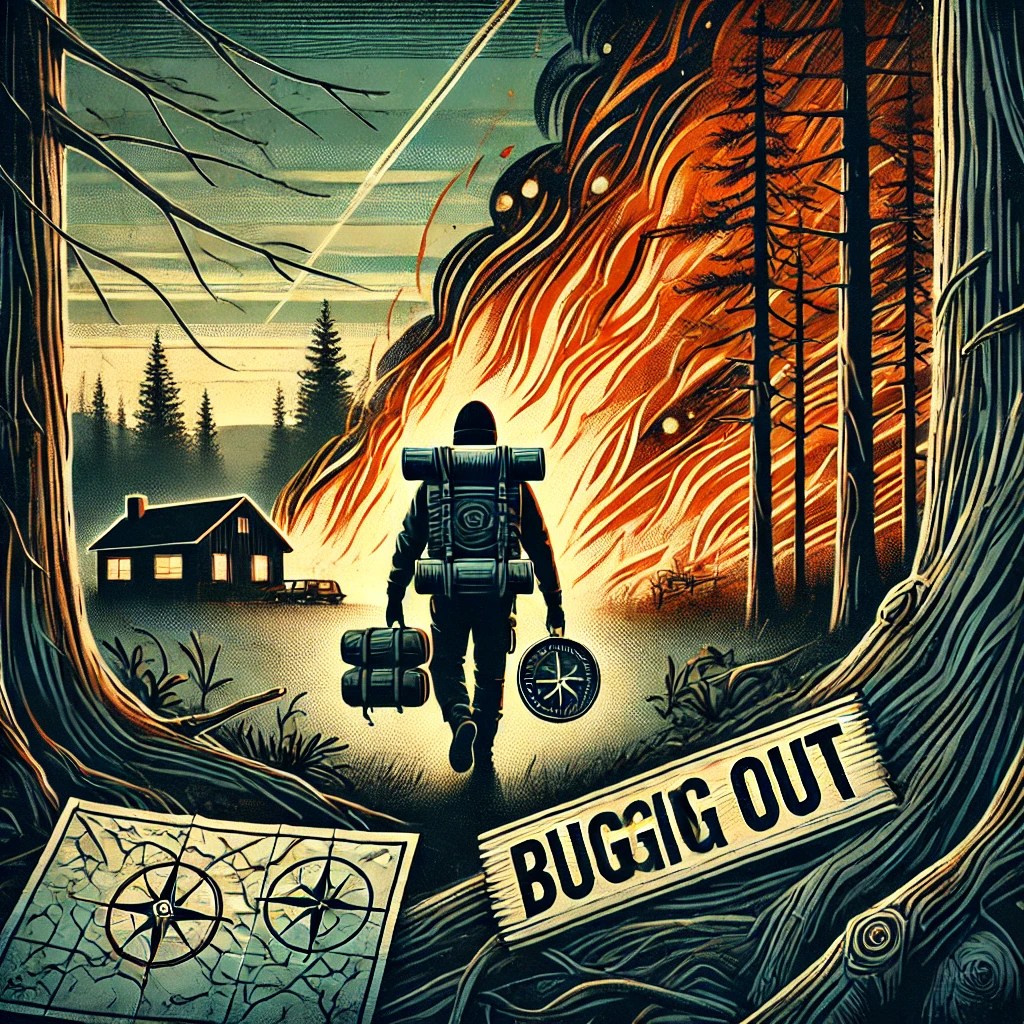
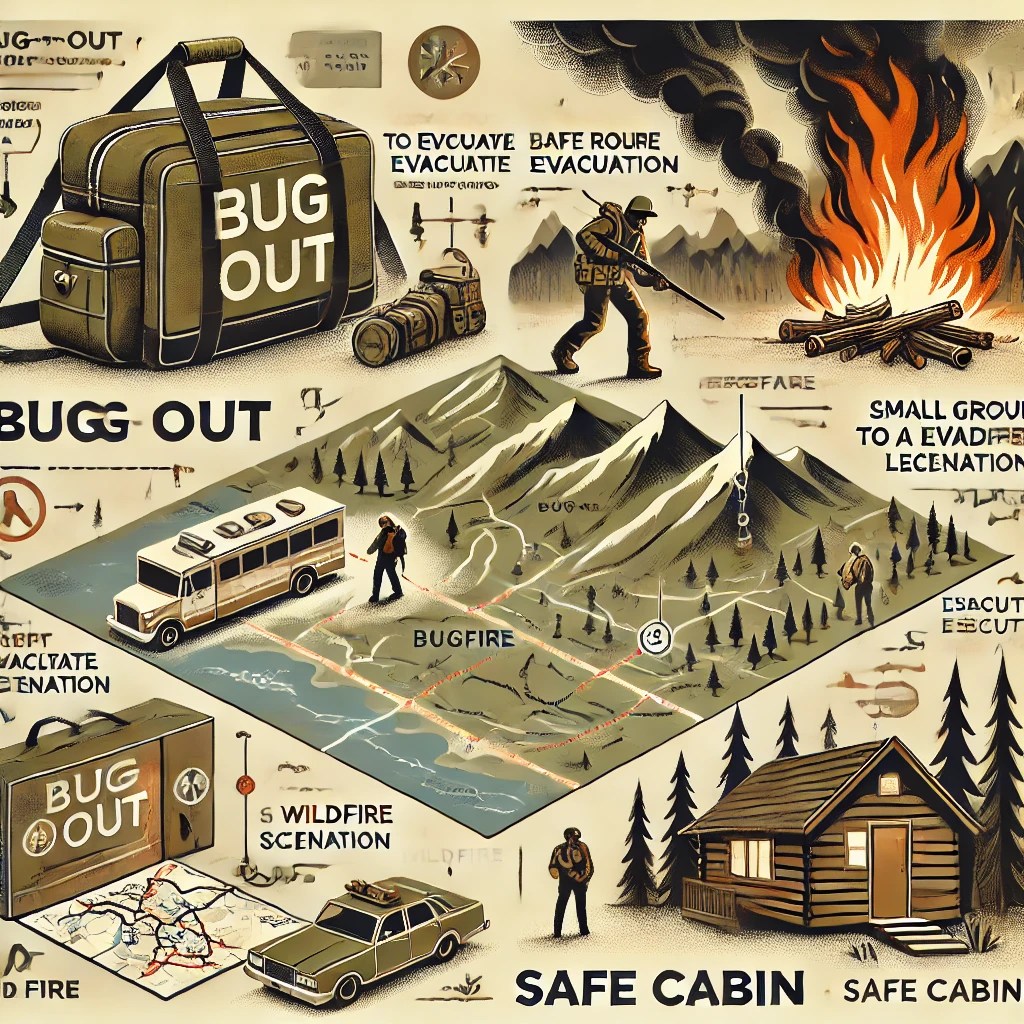
Bugging Out: Origins and Meaning of the Survival Term

In the world of preparedness and survivalism, the term “bugging out” holds a significant place. Often discussed in forums, books, and survivalist communities, bugging out refers to the act of leaving one’s current location due to an imminent threat, such as natural disasters, societal collapse, or other emergencies. But where did this term come from, and what does it truly entail?

Origins of the Term “Bugging Out”

The term “bugging out” traces its roots back to military slang used during the Korean War in the early 1950s. Soldiers coined the phrase “bug-out” to describe a rapid retreat from a dangerous or untenable situation. This military jargon metaphorically likened the retreat to the way bugs scatter when disturbed, emphasizing the need for speed and decisiveness.

Over time, “bugging out” evolved beyond its original military context. By the late 20th century, it had been adopted by the preparedness community to describe a civilian’s strategic evacuation in the face of disasters or crises. The term reflects both the urgency of the action and the calculated planning required to execute it effectively.

What Does Bugging Out Mean?

Bugging out is more than just fleeing a dangerous situation; it’s a well-thought-out plan to relocate to a safer environment when staying put becomes untenable. It involves:

1. A Trigger Event: This could be a natural disaster like a hurricane or wildfire, societal unrest, or even a personal emergency such as a house fire.

2. A Destination: Commonly referred to as a “bug-out location” (BOL), this is a pre-selected, secure area where you plan to regroup and stay safe.

3. A Bug-Out Bag (BOB): A backpack or kit containing essential survival items like food, water, clothing, first aid, and tools to sustain you for 72 hours or more.

4. A Plan: A clear strategy that includes routes, communication methods, and contingencies for various scenarios.

Why Bugging Out is Important

Preparedness is about planning for the unexpected, and bugging out is a critical component of this mindset. While staying home (“bugging in”) might be the best option in some situations, there are times when evacuation is unavoidable. Knowing when and how to bug out can mean the difference between safety and danger.

For example, in the case of a wildfire, staying put might be deadly. Similarly, during widespread civil unrest, a densely populated urban area may no longer be safe. Bugging out enables individuals and families to move to a location where they can weather the crisis in relative security.

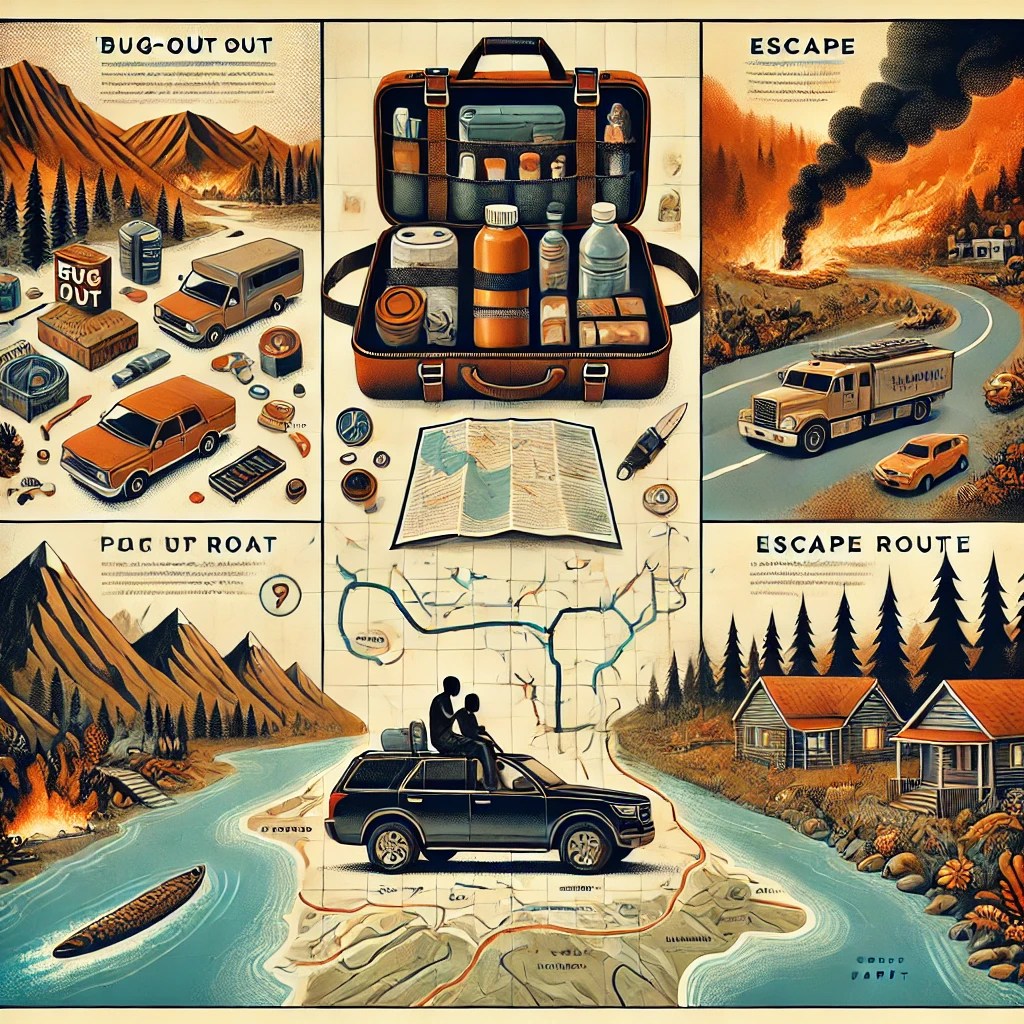
Planning for a Successful Bug-Out

Bugging out requires preparation and practice. Here are a few key steps to ensure you’re ready:

1. Assemble a Bug-Out Bag: Pack essential items tailored to your needs and those of your family.

2. Scout and Secure a Bug-Out Location: Whether it’s a remote cabin, a friend’s house, or a campground, ensure it’s accessible and safe.

3. Map Out Routes: Identify multiple routes to your BOL, considering factors like traffic, terrain, and potential hazards.

4. Stay Informed: Monitor news and weather reports to identify potential threats early.

5. Practice Drills: Regularly rehearse your bug-out plan to ensure everyone knows their role and actions.

Conclusion

Bugging out is not about fear but about preparedness and resilience. Its origins in military strategy underscore its emphasis on quick action and deliberate planning. For modern survivalists and anyone interested in preparedness, bugging out is a vital skill that empowers individuals to protect themselves and their loved ones in times of crisis. By understanding its meaning and honing the necessary skills, you can face emergencies with confidence and clarity.


Bugout 1
Bugout 2
Bugging Out 3

Air Filtration for Underground Bunkers: A Comprehensive Guide

When designing an underground bunker, ensuring a clean and breathable air supply is one of the most critical aspects to address. Whether you’re preparing for natural disasters, nuclear fallout, or other emergency scenarios, a reliable air filtration system can mean the difference between safety and vulnerability. This guide covers the essentials of air filtration for underground bunkers, from key components to maintenance tips.


Why Air Filtration Matters

Bunkers are enclosed spaces, which makes air circulation and purification crucial for maintaining a livable environment. Without proper air filtration, pollutants, pathogens, and toxic gases can compromise the health of occupants. Additionally, in scenarios involving nuclear or chemical threats, the air outside may be contaminated, requiring advanced filtration systems to provide clean air.


Key Components of a Bunker Air Filtration System

  1. Air Intake System
    The air intake system draws in fresh air from outside the bunker. It should be strategically located to minimize exposure to debris or direct contamination. Proper shielding and camouflaging can protect it from external threats.
  2. Particulate Filtration
    High-Efficiency Particulate Air (HEPA) filters are a standard choice for removing fine particles like dust, pollen, and mold spores. They are capable of trapping particles as small as 0.3 microns with 99.97% efficiency.
  3. Gas and Chemical Filtration
    Activated carbon filters are essential for removing chemical vapors, odors, and harmful gases like carbon monoxide. In situations involving chemical or nuclear threats, additional filters designed for specific contaminants, such as CBRN (chemical, biological, radiological, and nuclear) filters, are necessary.
  4. Air Circulation and Pressure Management
    Maintaining positive air pressure inside the bunker prevents unfiltered air from seeping in. Fans and air pumps ensure consistent airflow and pressure management.
  5. Backup Power Systems
    Air filtration systems require electricity to operate. Backup generators or battery systems should be in place to keep the system running during power outages.
  6. Monitoring and Alarms
    Sensors to detect carbon dioxide, carbon monoxide, and other harmful gases are critical for safety. These systems should include alarms to notify occupants of dangerous levels.

Choosing the Right Air Filtration System

When selecting a system, consider the following factors:

  • Occupancy and Size: Larger bunkers and higher occupancy levels require more robust systems to ensure adequate air supply.
  • Threat Profile: Tailor the system to potential threats, such as nuclear fallout, chemical spills, or natural disasters.
  • Maintenance Requirements: Some filters require regular replacement or cleaning, so choose a system that is easy to maintain.

Maintenance Tips

  • Regular Inspections: Check filters and system components for wear, blockages, or damage.
  • Filter Replacement: Replace HEPA and carbon filters according to the manufacturer’s guidelines, or more frequently if the air quality is compromised.
  • Test Backup Power Systems: Ensure generators or batteries are fully functional and have sufficient fuel or charge.
  • Calibrate Sensors: Periodically calibrate air quality monitors to ensure accurate readings.

Preparing for Extended Use

If the bunker is designed for long-term occupancy, additional measures are necessary:

  • Air Scrubbers: These devices remove carbon dioxide and replenish oxygen levels, particularly in sealed environments.
  • Redundant Systems: Having backup filters and components ensures functionality in case of system failure.
  • Stockpiled Supplies: Keep spare filters, lubricants, and tools for repairs readily available.

Conclusion

An underground bunker is only as effective as its air filtration system. By investing in a reliable, well-maintained system tailored to your specific needs, you can create a safe haven that ensures breathable air in any emergency scenario. With proper planning and ongoing care, you can protect yourself and your loved ones against the unseen dangers of contaminated air.


Have questions or tips about bunker air filtration? Share them in the comments below!

Why an Emergency Survival Shelter Tent is a Must-Have for Every Outdoor Adventure

When you venture into the wild, being prepared for unexpected situations can mean the difference between comfort and survival. One essential piece of gear that every outdoor enthusiast should have is an Emergency Survival Shelter Tent for 2 Persons, made from waterproof and thermal PE material. Compact, lightweight, and reliable, this tent is designed to protect you from the elements and ensure safety in unforeseen conditions. Here’s why you should never head outdoors without one.

What is an Emergency Survival Shelter Tent?

An emergency survival shelter tent is a portable, temporary structure designed to provide quick and reliable protection in extreme weather conditions. Specifically crafted for emergency scenarios, these tents are lightweight and easy to deploy, making them ideal for hikers, campers, and adventurers who need immediate shelter. Made from thermal PE material, they retain body heat while offering waterproof and windproof properties.

Key Features of the Survival Shelter Tent

1. Waterproof and Weather-Resistant

The durable PE material ensures that rain, snow, or wind won’t penetrate the tent, keeping you dry and safe in any weather condition. This feature is especially critical during sudden downpours or cold nights.

2. Thermal Insulation

The tent’s thermal properties help retain your body heat, preventing hypothermia in cold environments. By reflecting heat back towards you, the tent ensures warmth even when temperatures drop unexpectedly.

3. Lightweight and Portable

Weighing just a few pounds, this survival tent is easy to carry without adding significant weight to your gear. Its compact design means it can fit seamlessly into backpacks or emergency kits.

4. Room for Two

Designed to accommodate two people, this tent ensures that you and a companion can stay protected together, maximizing both space and warmth.

5. Easy Setup

No complicated tools or instructions are required. Simply unpack, unfold, and secure the tent with its included ropes or stakes. Its intuitive design ensures that even in stressful situations, you can set it up in minutes.

Why You Should Never Be Without One

1. Unpredictable Weather

Mother Nature is notoriously unpredictable. Even a sunny day can quickly turn into a stormy ordeal. Having a survival shelter ensures that you’re prepared for sudden weather changes, whether it’s rain, snow, or strong winds.

2. Safety in Emergencies

If you get lost, injured, or stranded, having a survival tent can be a lifesaver. It provides a safe space to rest, recover, and protect yourself from the elements while waiting for help.

3. Lightweight Insurance

Carrying an emergency shelter adds negligible weight to your pack but offers immense peace of mind. It’s a small investment that could make a huge difference when you need it most.

4. Versatility

Beyond emergencies, these tents are perfect for planned overnight hikes or minimalist camping trips. Their compact size and quick setup make them a practical choice for any outdoor adventure.

5. Protection from Hypothermia

Exposure to cold temperatures is a leading cause of outdoor emergencies. A thermal survival tent acts as a barrier against heat loss, ensuring that you stay warm and safe even in freezing conditions.

How to Choose the Right Emergency Shelter Tent

When selecting an emergency survival shelter tent, look for the following qualities:

  • Durability: Ensure the material can withstand harsh conditions.

  • Size: Make sure it comfortably fits the intended number of users.

  • Ease of Use: Opt for a design that’s intuitive and quick to set up.

  • Weight: Prioritize lightweight options that are easy to carry.

  • Waterproofing and Insulation: These features are non-negotiable for survival situations.

Conclusion

An Emergency Survival Shelter Tent for 2 Persons is not just an accessory—it’s a necessity. Whether you’re an avid adventurer or a casual hiker, having this essential piece of gear ensures that you’re always prepared for the unexpected. Its combination of waterproof, thermal, and lightweight features makes it an indispensable companion for any outdoor journey.

Don’t wait for an emergency to realize its importance. Equip yourself with a survival shelter tent and explore the outdoors with confidence, knowing you’re ready for whatever nature throws your way.

The Ultimate Guide to the Water Filter Straw: Your Essential Survival Tool

When venturing into the wilderness, preparing for emergencies, or simply exploring the great outdoors, access to clean and safe drinking water is non-negotiable. This is where the Water Filter Straw with 0.01 Micron 4-Stage Filtration comes into play. Compact, portable, and incredibly effective, this survival purifier is a must-have for adventurers, travelers, and preparedness enthusiasts alike. Let’s dive into what makes this innovative device a game-changer.

What is a Water Filter Straw?

A water filter straw is a portable filtration device designed to purify contaminated water directly from its source. It allows you to drink safely from lakes, rivers, streams, or even stagnant pools without the need for bulky filtration systems or chemical treatments. With its advanced 4-stage filtration system, this particular model ensures that you can hydrate with confidence, no matter where you are.

The 4-Stage Filtration System Explained

The 4-stage filtration process is what sets this water filter straw apart from the competition. Here’s how it works:

1. Pre-Filter Layer: This initial stage removes large particles such as sand, silt, and debris, ensuring smoother water flow and extending the lifespan of the filter.

2. Activated Carbon Layer: Activated carbon is highly effective at reducing odors, improving taste, and removing harmful chemicals such as chlorine and pesticides.

3. Hollow Fiber Membrane (0.01 Micron): The heart of the filtration system, this ultra-fine membrane traps 99.99% of bacteria, protozoa, and other microorganisms, including E. coli and Giardia.

4. Post-Filtration Layer: For an extra layer of safety, this stage further polishes the water, ensuring it is safe, clean, and pleasant to drink.

Key Features and Benefits

1. Compact and Lightweight

Weighing less than a smartphone, the water filter straw is incredibly portable. Its compact design means it fits easily in backpacks, emergency kits, or even your pocket.

2. High Filtration Capacity

Capable of filtering thousands of liters of water, this straw provides long-lasting utility, making it ideal for extended trips or emergency scenarios.

3. Versatile Use

Whether you’re hiking, camping, backpacking, or traveling to areas with questionable water quality, this straw adapts to your needs. It’s also an excellent addition to home emergency preparedness kits.

4. Eco-Friendly Alternative

Say goodbye to single-use plastic bottles. By using this water filter straw, you contribute to reducing plastic waste while ensuring a reliable water source.

5. Easy to Use

Simply place the straw directly into the water source or attach it to a compatible bottle. Sip as you would through a regular straw—the filtration happens instantly.

Why Every Adventurer Needs One

The unpredictability of outdoor environments makes having a reliable water filtration system non-negotiable. Dehydration and waterborne illnesses are real threats that can quickly derail your plans. The water filter straw empowers you to tackle these challenges head-on, providing peace of mind and the freedom to explore.

Moreover, in emergency situations like natural disasters, clean water can become scarce. This straw ensures you and your loved ones have access to safe drinking water, enhancing your survival strategy.

Final Thoughts

Investing in a Water Filter Straw with 0.01 Micron 4-Stage Filtration is more than just a smart purchase; it’s a commitment to safety, sustainability, and preparedness. Whether you’re a seasoned explorer or someone preparing for the unexpected, this portable purifier will be your trusted companion.

So, gear up, embrace the outdoors, and stay hydrated—because clean water should never be a luxury, but a guarantee.


Why You Need an Emergency Hand Crank Radio

When emergencies strike, whether they’re natural disasters like hurricanes, blizzards, or power outages, having reliable access to critical information and basic utilities is crucial. Among the essential tools for preparedness, an emergency hand crank radio with a 2000mAh power bank stands out as a versatile and lifesaving device. Here’s why it’s a must-have for both indoor and outdoor use.

Stay Informed During Emergencies

In times of crisis, staying updated on weather conditions and emergency alerts can make the difference between safety and peril. An emergency hand crank radio equipped with AM/FM/NOAA capabilities ensures you’re always in the loop, even when cellular networks or the internet fail. NOAA Weather Radio provides continuous updates on severe weather conditions, evacuation instructions, and other vital alerts to keep you informed.

Power Your Devices On the Go

One of the standout features of this radio is its built-in 2000mAh power bank. During a blackout, your smartphone becomes a lifeline for communication, navigation, and accessing apps. However, without a reliable power source, your phone’s battery could die quickly. The 2000mAh power bank ensures you have an emergency backup to charge your phone or other small USB devices, keeping you connected when you need it most.

Multiple Charging Options for Reliability

This emergency radio isn’t limited to just one power source. It offers multiple ways to recharge:

  • Hand Crank: Generate power manually when other options are unavailable.

  • Solar Panel: Harness the sun’s energy for eco-friendly charging during the day.

  • USB Charging: Recharge the device fully using a USB cable before an anticipated event or trip.

These versatile charging options mean you’ll always have a reliable power source, regardless of the situation.

Illuminate the Darkness

Power outages often leave us in the dark. This emergency radio’s 3-LED flashlight is a practical feature to help you navigate your surroundings safely. Whether you’re camping, searching for supplies, or signaling for help, the flashlight is an invaluable tool to have on hand.

Perfect for Outdoor Adventures

Beyond emergencies, this portable weather radio is an excellent companion for outdoor activities like camping, hiking, or fishing. Its compact design makes it easy to carry, and its durability ensures it can withstand rugged conditions. Plus, the ability to receive weather updates and charge your devices adds an extra layer of convenience and safety.

Prepare for the Unexpected

Emergencies are unpredictable, but being prepared isn’t. Investing in an emergency hand crank radio with a 2000mAh power bank, AM/FM/NOAA weather capabilities, and solar-powered functionality equips you to face a wide range of challenges. It’s not just a gadget; it’s peace of mind.

Make sure your emergency kit includes this reliable tool. Whether you’re preparing for a storm or planning your next outdoor adventure, this device is an essential addition to your gear. Stay safe, stay connected, and stay prepared.

0
    0
    Your Cart
    Your cart is emptyReturn to Shop